|
11.05.08 Royal Families
|
| |
|
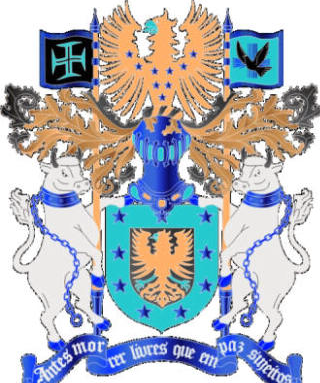
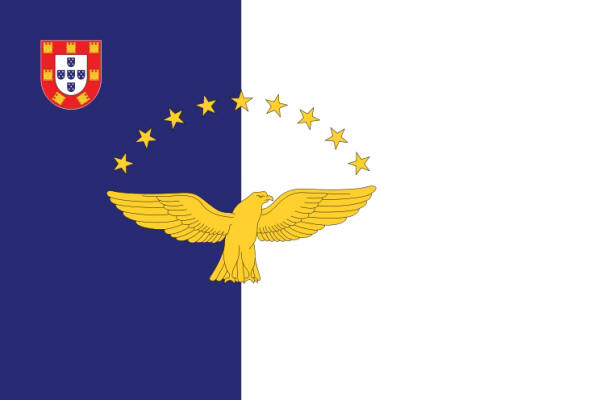
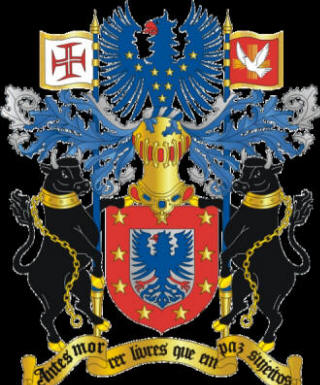
The Azores (Portuguese: Açores;
Portuguese pronunciation: is a Portuguese archipelago in the
Atlantic Ocean, about 1,500 km (930 mi) from Lisbon and about 3,900
km (2,400 mi) from the east coast of North America. The Monchique
Islet on Flores Island, located at 31° 16' 24" W is regarded as the
westernmost point in Europe, even though from a geographical
standpoint, the two westernmost Azorean islands (Flores and Corvo)
actually lie on the North American plate. The current Azores' main
industries are tourism, cattle raising for milk and meat, and
fishing. The nine major Azorean islands and the eight small Formigas
extend for more than 600 km (373 mi) and lie in a
northwest-southeast direction. The vast extent of the islands
defines an immense exclusive economic zone of 1,100,000 km2 (420,000
sq mi). The westernmost point of this area is 3,380 km (2,100 mi)
from the North American continent. All of the islands have volcanic
origins, although Santa Maria also has some reef contribution. The
mountain of Pico on Pico Island, at 2,351 m (7,713 ft) in altitude,
is the highest in all of Portugal. The Azores are actually the tops
of some of the tallest mountains on the planet, as measured from
their base at the bottom of the ocean. The archipelago forms the
Autonomous Region of Azores, one of the two autonomous regions of
Portugal.
|
|
|
|
|
|
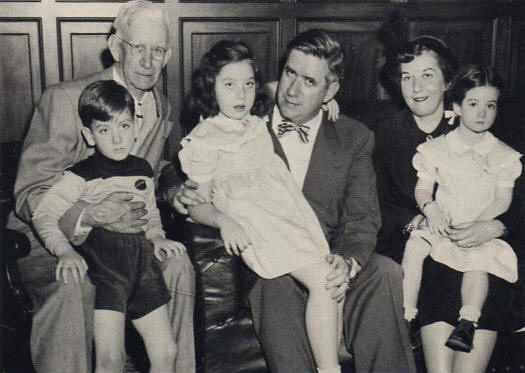
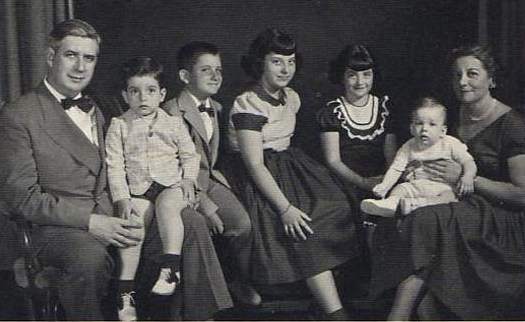
Roderick,
O'Neill, Casper, Elfring, Buchter, Gerzsai, Bosanszki >
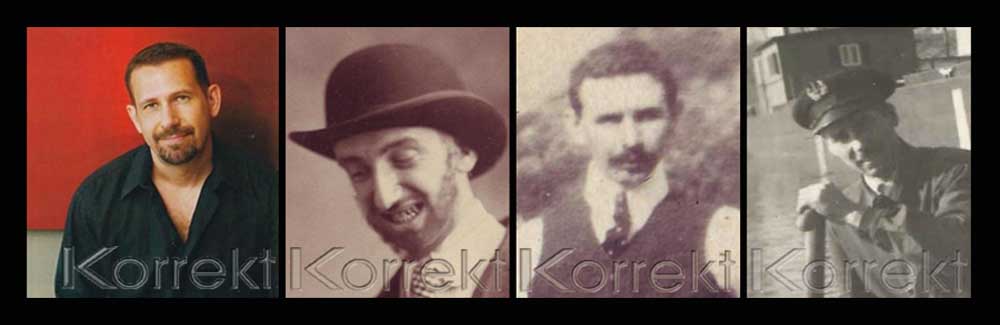
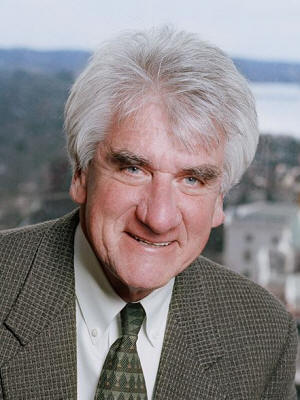
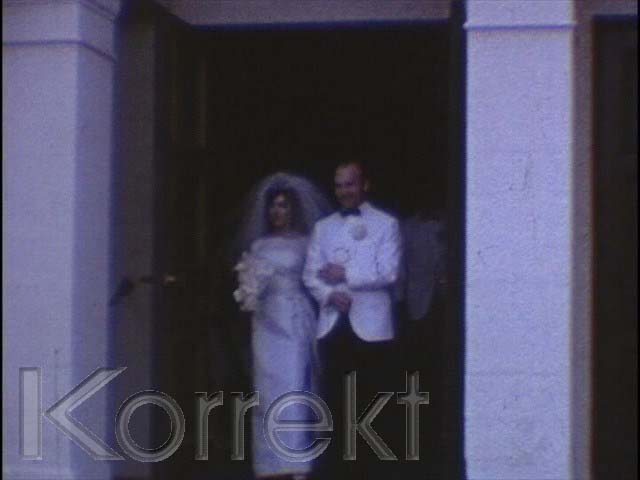
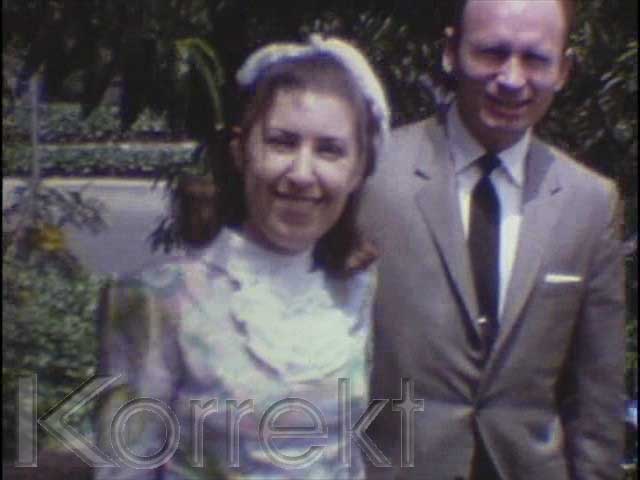
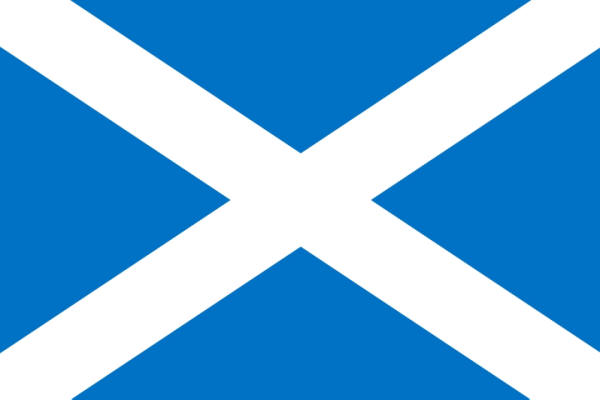
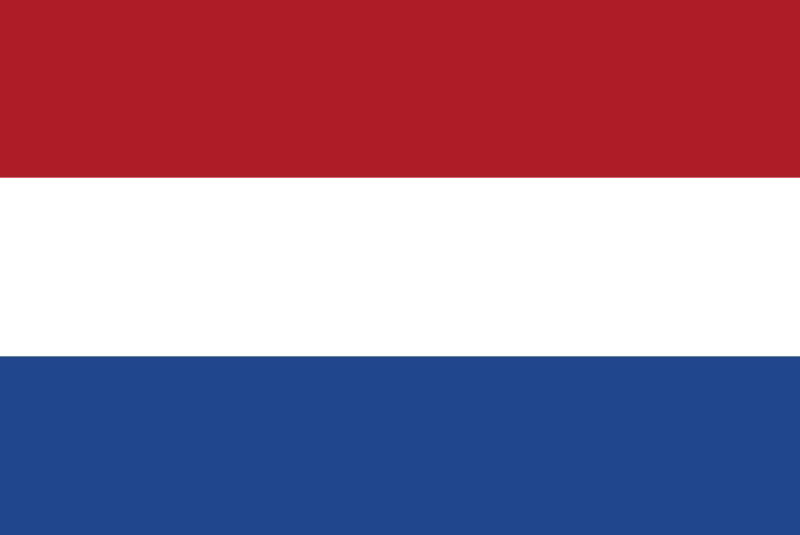
Korrekt's ancestry America, Ireland,
Azores (royal), Scotland, Netherlands, Hungary.
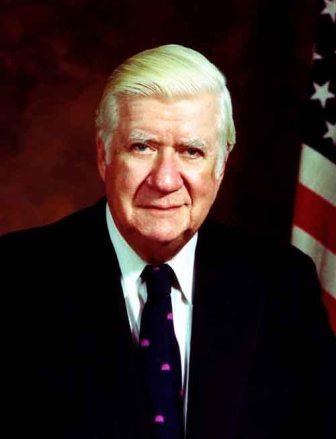
(former Speaker Of The House (USA)
Thomas "Tip"
O'Neill's aunt Anne O'Neill).
Thomas P. O'Neill, Thomas Jr., Millie, Thomas III, Rosemary,
Susan, and Michael.
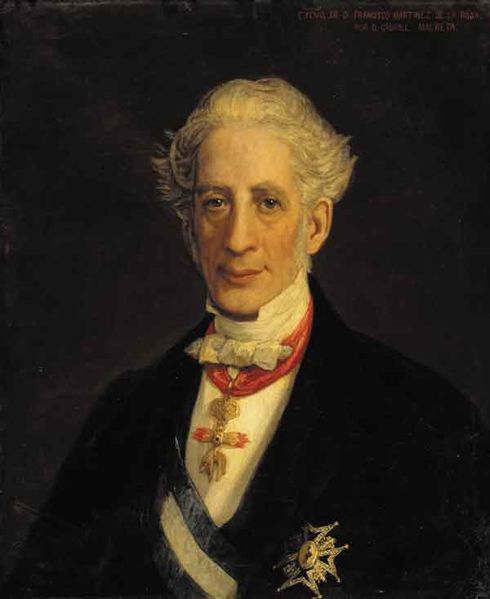
Francisco de Paula Martinez de
la Rosa (Spain) (reference likeness Korrekt's great
grandparents)
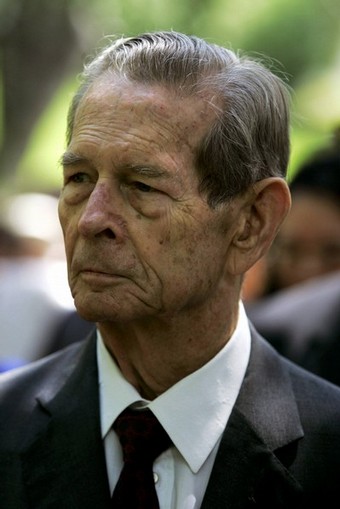
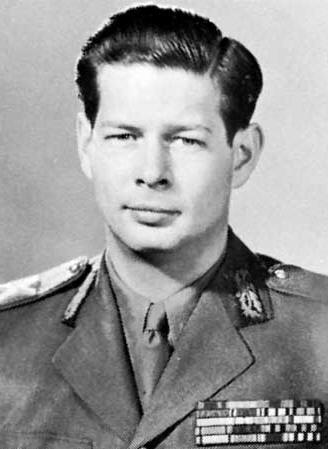
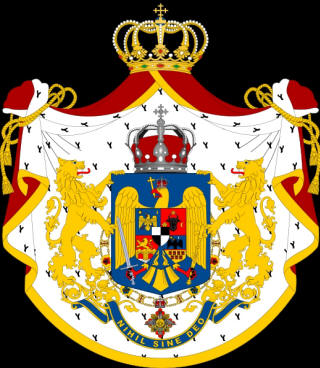
Queen Regina Maria
> (Romania
reference)
Dunham's (reference likeness)
Korrekt & O'Neill family photo's 1920's
>
>
>
>
>
> 2010 (Monaco
reference)
FIFA
Spain Netherlands
EGA
1 2
EGA
3
DCON
E
BITE
4
EXAD
5
Royal Family (pending)
|
|
|
|
|
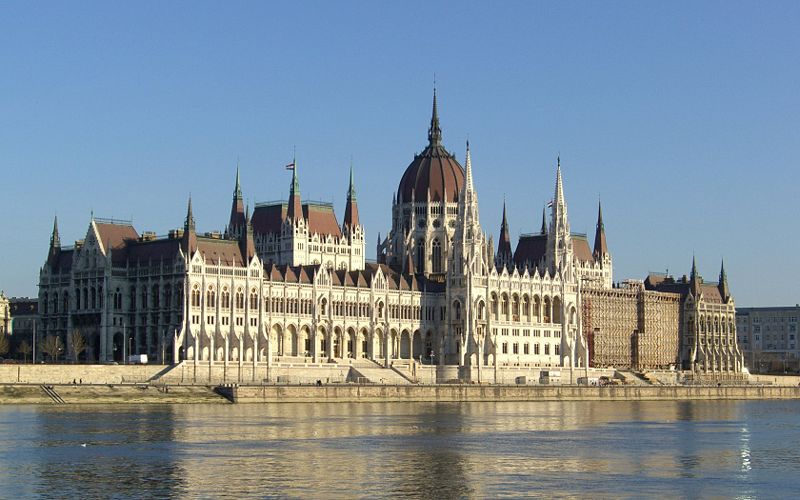
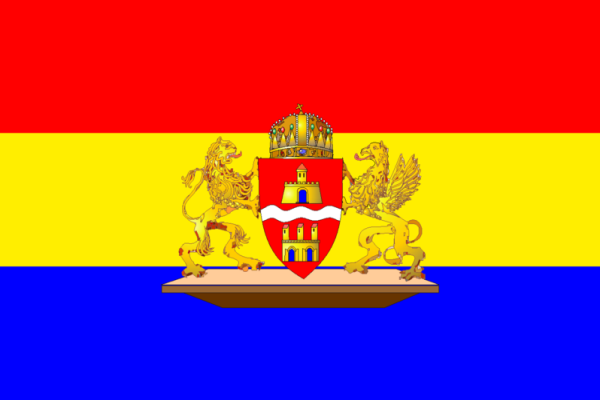
Hungary officially the Republic
of Hungary, is a country in the Carpathian Basin of Central
Europe, bordered by Austria, Slovakia, Ukraine, Romania,
Serbia, Croatia, and Slovenia. Its capital is Budapest.
Following a Celtic (after c. 450 BC) and a Roman (9 AD – c.
430) period, the foundation of Hungary was laid in the late
9th century by the Hungarian ruler Árpád, whose
great-grandson Stephen I of Hungary was crowned with a crown
sent from Rome by the pope in 1000. After being recognized
as a kingdom, Hungary remained a monarchy for 946 years, and
at various points was regarded as one of the cultural
centers of the western world. A significant power until the
end of World War I, Hungary lost over 70% of its territory,
along with 3.3 million people of Hungarian ethnicity, under
the Treaty of Trianon, the terms of which have been
considered excessively harsh in Hungary. The country lost
eight of its ten biggest Hungarian cities as well. The
kingdom was succeeded by a Communist era during which
Hungary gained widespread international attention regarding
the Revolution of 1956 and the seminal move of opening its
border with Austria, thus accelerating the collapse of the
Eastern Bloc. The present form of government is a
parliamentary republic. Today, Hungary is a high-income
economy, and a regional leader regarding certain markers.
Hungary was listed as one of the 15 most popular tourist
destinations in the world.
Steve & Kathleen ("Rose"
likeness)
Steve's mother (reference
Princess Anne Royal
United Kingdom)
Korrekt family photo's 1920's
>
>
>
>
> 2010
EGA
1 2
EGA
3
DCON
E
BITE
4
EXAD
5
STDR
>
>
>
|
|
 |
 |
| |
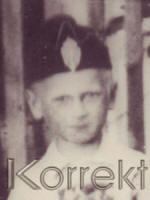 |
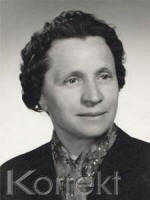 |
|
|
|
|
 |
|
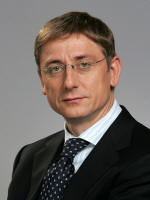
Ferenc
Gyurcsány (born in Pápa, 4 June 1961) is a Hungarian
politician. He was the sixth Prime Minister of Hungary from
2004 to 2009. He was nominated to take that position
on 25 August 2004 by the Hungarian Socialist Party (MSZP),
after Péter Medgyessy resigned due to a conflict with the
Socialist Party's coalition partner. Gyurcsány was elected
Prime Minister on 29 September 2004 in a parliamentary vote.
He led his coalition to victory in the parliamentary
elections in 2006, securing another term as Prime Minister.
|
|
 |
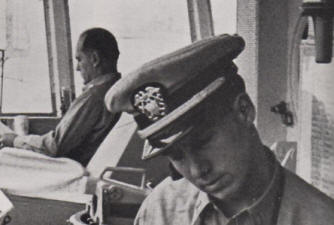
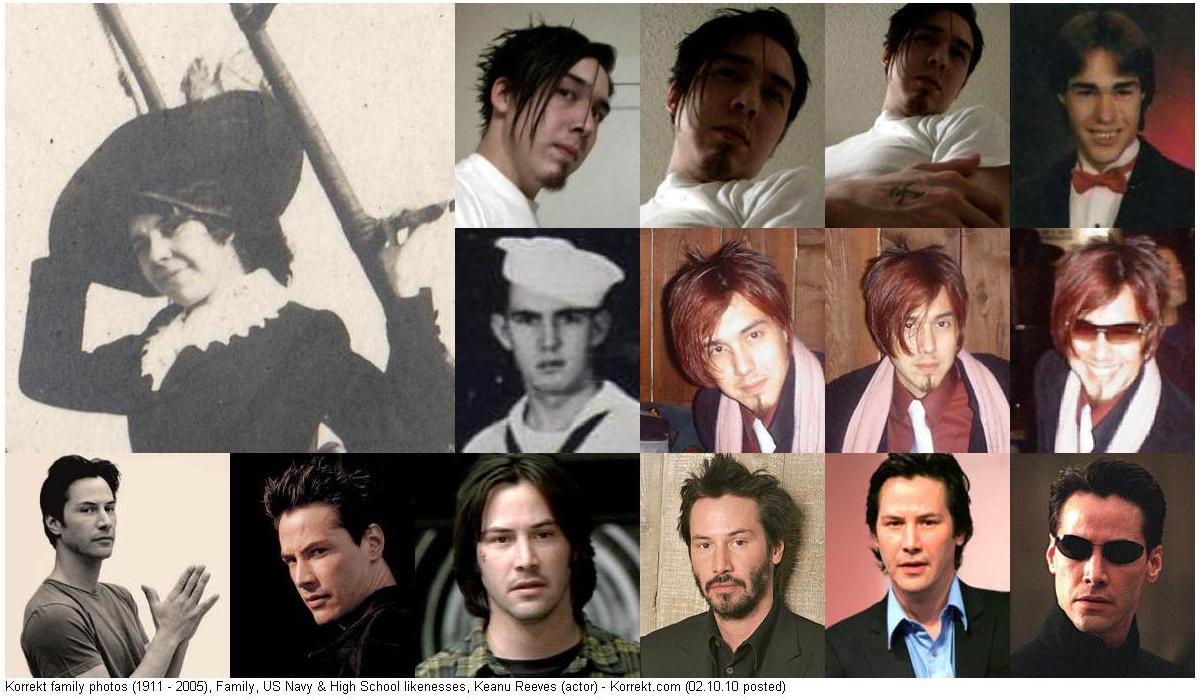
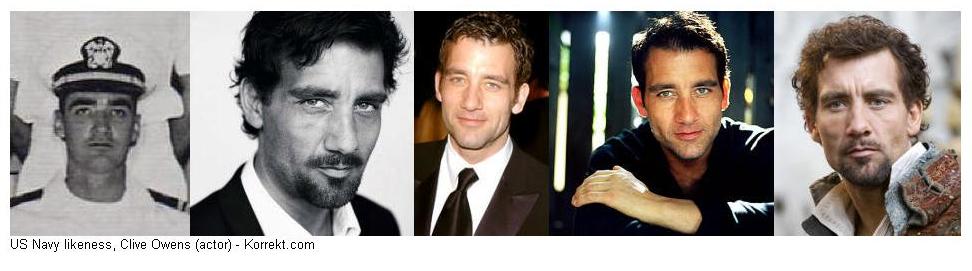
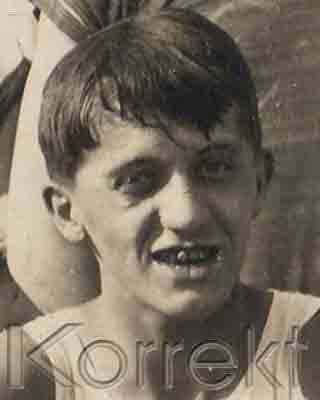
US Navy likeness 1950's
USN Hungary Gyurcsany Gates Walken
Sewell |
 |
|
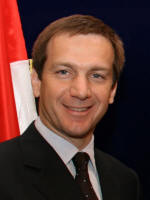
György Gordon
Bajnai (born 5 March 1968, Szeged) was the seventh Prime
Minister of Hungary from 2009 to 2010. In March 2009,
following Prime Minister Ferenc Gyurcsány's announced
resignation, Bajnai was nominated by the ruling Hungarian
Socialist Party (MSZP) to become Hungary's next prime
minister. Bajnai became prime minister when the parliament
passed a constructive motion of no-confidence against Ferenc
Gyurcsány on 14 April 2009. |
|
 |
Korrekt's family
photo 1900's
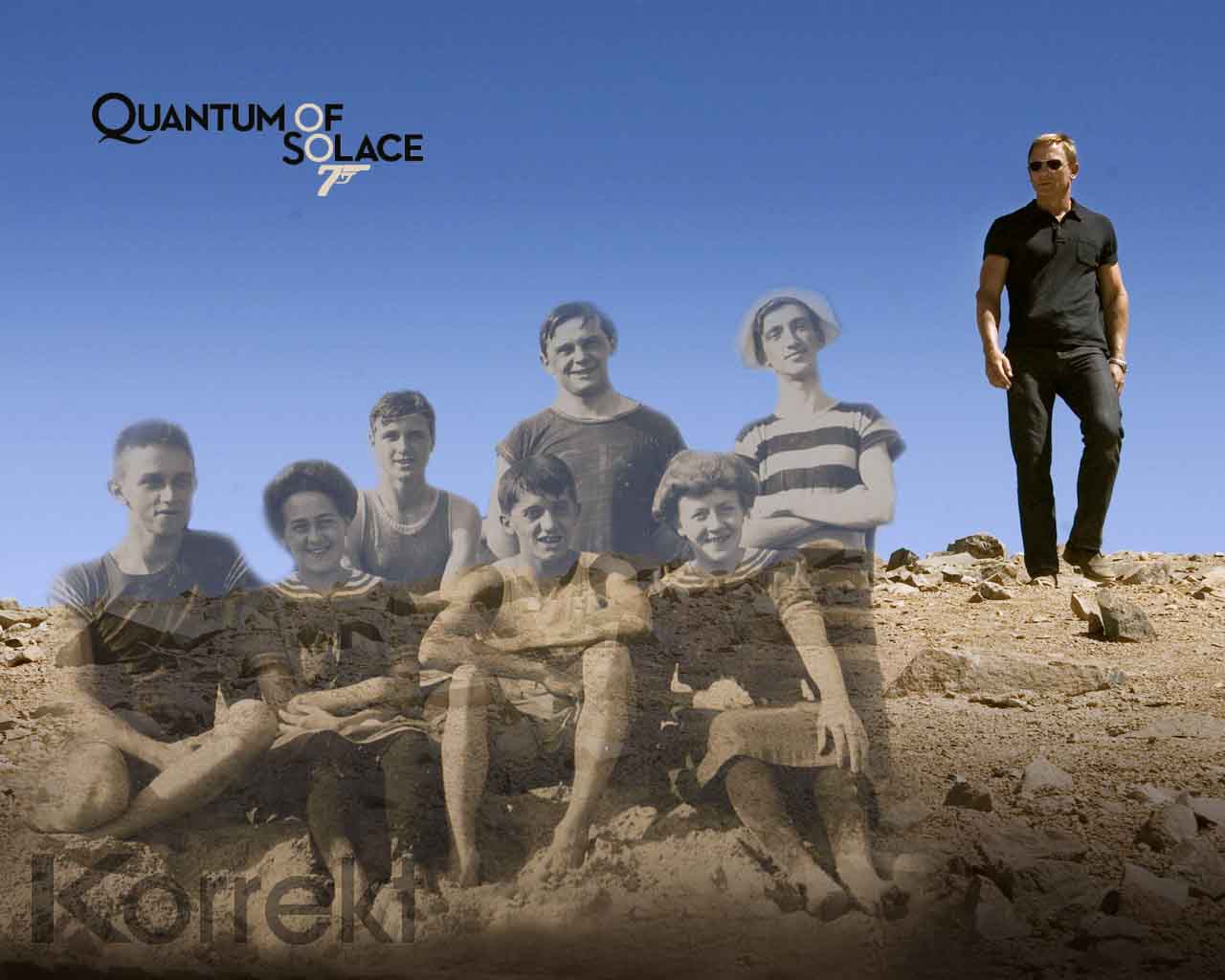
007 Quantum Of Solace
QOS
1
>
QOS 2
|
 |
|
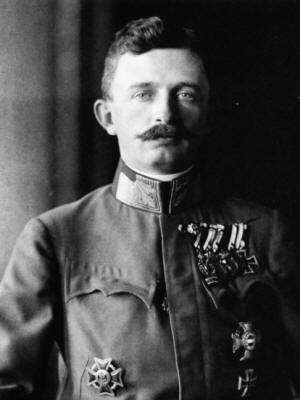
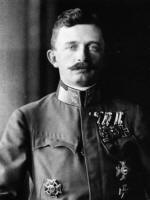
Charles I of
Austria or Charles IV of Hungary (German: Karl Franz Joseph
Ludwig Hubert Georg Otto Marie von Habsburg-Lothringen,
English: Charles Francis Joseph Louis Hubert George Otto
Mary of Habsburg-Lorraine, Hungarian: IV. Károly or
Habsburg-Lotaringiai Károly Ferenc József Lajos Hubert
György Mária, Italian: Carlo Francesco Giuseppe Ludovico
Giorgio Ottone Maria d'Asburgo Lorena, Polish: Karol
Franciszek Józef Ludwik Hubert Jerzy Otto Maria
Habsbursko-Lotaryński, Ukrainian: Карл І Франц Йосиф) (17
August 1887 – 1 April 1922) was (among other titles) the
last ruler of the Austro-Hungarian Empire. He was the last
Emperor of Austria, the last King of Hungary, the last King
of Bohemia and Croatia and the last King of Galicia and
Lodomeria and the last monarch of the House of
Habsburg-Lorraine. He reigned as Charles I as Emperor of
Austria and Charles IV as King of Hungary from 1916 until
1918, when he "renounced participation" in state affairs,
but did not abdicate. |
|
 |
Korrekt family photo 1970's
EGA
1 2
3
4
EGA
(reference
Belgium) |
|
|
|
|
|
|
|
|
|
|
|
|
 |
|
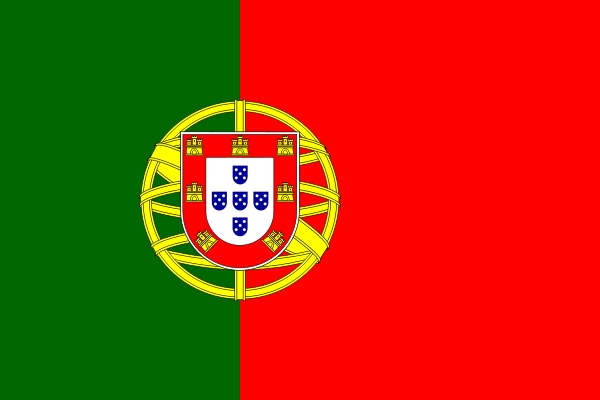
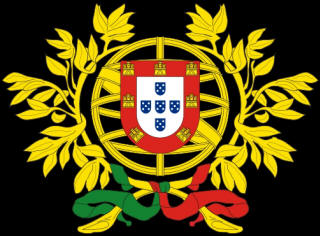
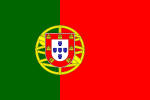
Portugal
officially the Portuguese Republic (Portuguese: República
Portuguesa) is a country situated in southwestern Europe on
the Iberian Peninsula. Portugal is the westernmost country
of mainland Europe, and is bordered by the Atlantic Ocean to
the West and South and by Spain to the North and East. The
Atlantic archipelagos of the Azores and Madeira are part of
Portugal. The country is named after its second largest
city, Porto, whose Latin name was Portus Cale.
The land within the borders of the current Portuguese
Republic has been continuously settled since prehistoric
times: occupied by Celts like the Gallaeci and the
Lusitanians, integrated into the Roman Republic and later
settled by Germanic peoples such as the Suebi, Swabians,
Vandals and the Visigoths. In the 8th century most of the
Iberian Peninsula was conquered by Moorish invaders
professing Islam, which were later expelled by the Knights
Templar under the Order of Christ. During the Christian
Reconquista, Portugal established itself as an independent
kingdom from León in 1139, claiming to be the oldest
European nation state. |
|
 |
 |
|
|
|
|
 |
|
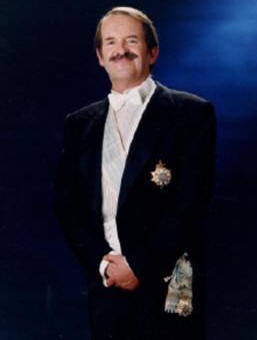
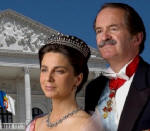
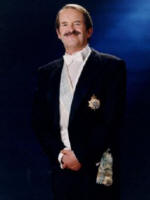
Dom Duarte Pio (Portuguese
pronunciation: Duarte Pio João Miguel Gabriel Rafael
de Bragança); born 15 May 1945), is the 24th Duke of
Braganza, 6th Prince Royal of Portugal and the pretender to
the throne of Portugal. If the Portuguese monarchy still
existed and Duarte was King of Portugal, his regnal name
would be Duarte II or Duarte III, if one accounts for his
father. In his capacity as Duke of Braganza, Duarte Pio is
styled as Duarte II of Braganza.
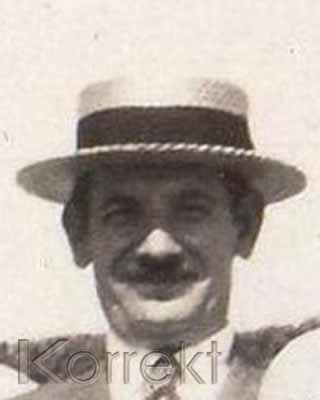
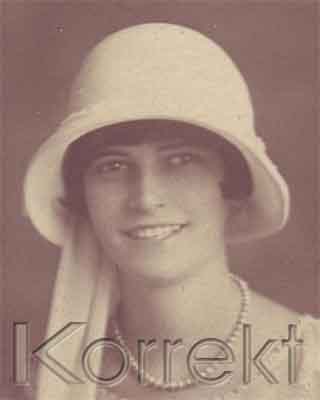
Korrekt's family
photo 1910's |
|
 |
| |
 |
>
JCEX |
 |
|
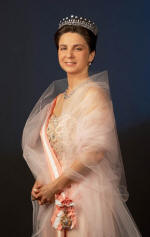
Dona
Isabel Inês, Duchess of Braganza (née Isabel Inês de Castro
Curvelo de Herédia; born 22 November 1966 in Lisbon,
daughter of Architect Jorge de Herédia, great-grandson of
Francisco Correia de Herédia, 1st Viscount da Ribeira
Brava), and wife Raquel Leonor Pinheiro Curvelo, is the wife
of Dom Duarte Pio, Duke of Bragança, current claimant to the
Portuguese throne and Duchess of Bragança. Portugal is now a
Republic, but state protocol in general grants her the style
of HRH The Duchess of Braganza.
Korrekt's family
photo 1900's |
|
 |
|
 |
|
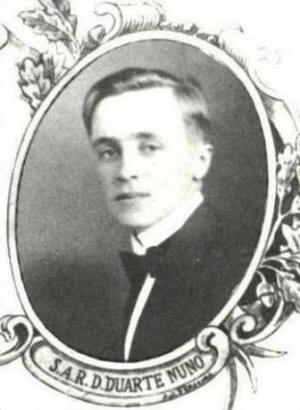
Duarte Nuno,
Duke of Braganza (Duarte Nuno Fernando Maria Miguel Gabriel
Rafael Francisco Xavier Raimundo António de Bragança. Born
23 September 1907 – 24 December 1976. was a claimant to the
throne of Portugal. |
|
 |
 |
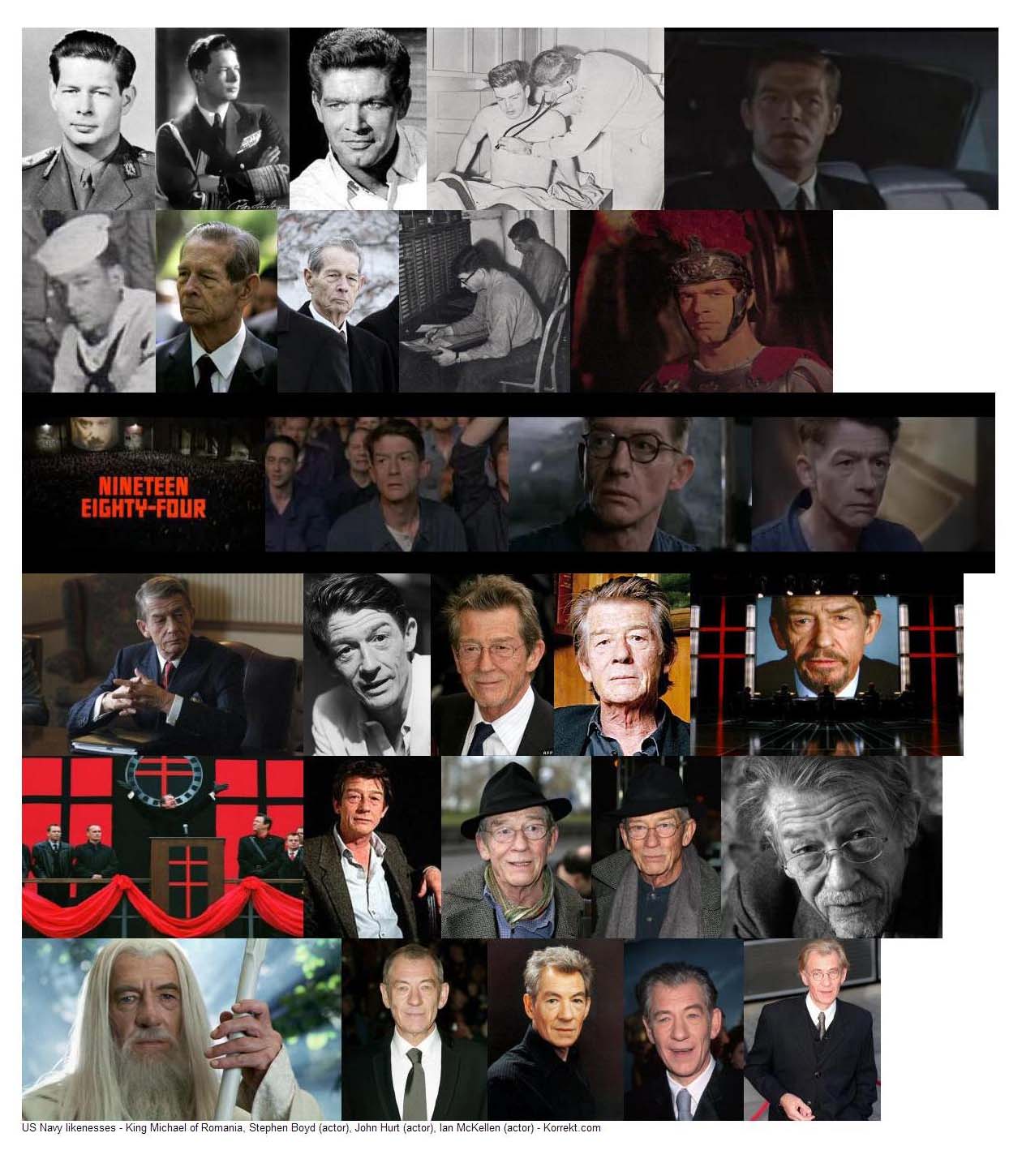
US Navy likeness 1950's
EGA
1 2
EGA
LOTR
|
|
|
|
|
|
|
|
|
|
|
|
|

|
|
The
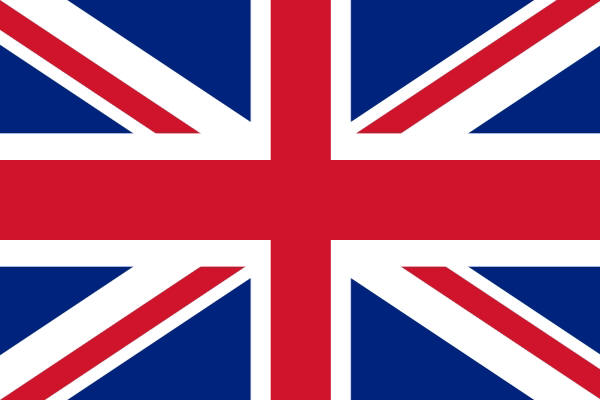
United Kingdom of Great Britain and Northern
Ireland, commonly known as the United Kingdom, the
UK or Britain, is a sovereign state located off the
northwestern coast of continental Europe. It is an
island country, spanning the island of Great
Britain, the northeast part of the island of
Ireland, and many small islands. Northern Ireland is
the only part of the UK with a land border, sharing
it with the Republic of Ireland. Apart from this
land border, the UK is surrounded by the Atlantic
Ocean, the North Sea, the English Channel and the
Irish Sea. The largest island, Great Britain, is
linked to France by the Channel Tunnel.
The
United Kingdom is a unitary state consisting of four
countries: England, Northern Ireland, Scotland and
Wales. It is governed by a parliamentary system with
its seat of government in London, the capital, but
with three devolved national administrations in
Belfast, Cardiff and Edinburgh, the capitals of
Northern Ireland, Wales and Scotland respectively.
The UK is a constitutional monarchy with Queen
Elizabeth II as the head of state. The Channel
Islands and the Isle of Man are Crown Dependencies
and not part of the UK, but form a federacy with
it.
The UK has fourteen overseas territories, all
remnants of the British Empire, which at its height
encompassed almost a quarter of the world's land
surface, the largest empire in history. British
influence can continue to be observed in the
language, culture and legal systems of many of its
former colonies. Queen Elizabeth II remains the head
of the Commonwealth of Nations and head of state of
each of the Commonwealth realms.
|
|
 |
 |
 |
| |
|
|
V For Vendetta |
|
| |
|
 |
|
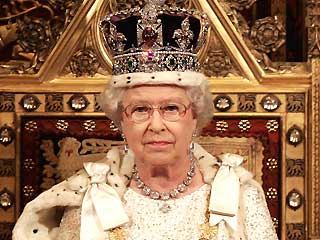
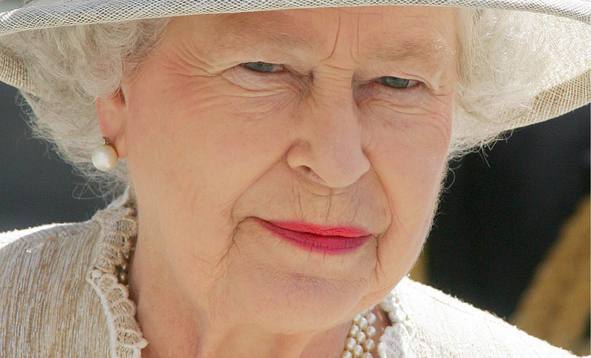
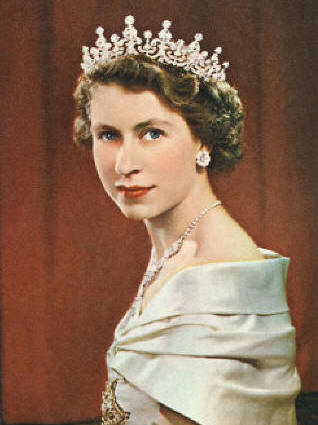
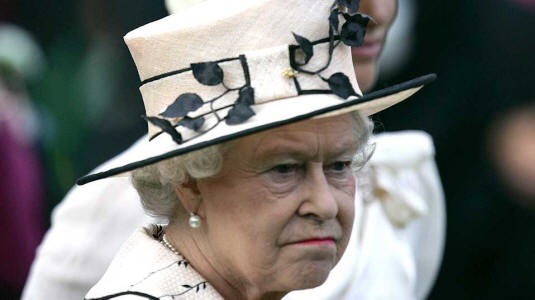
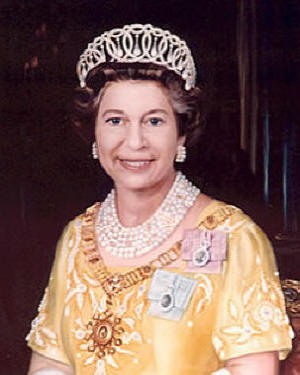
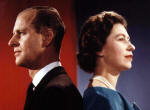
Queen Elizabeth II
(Elizabeth Alexandra Mary; born 21 April 1926) is the queen
regnant of sixteen independent states known informally as
the Commonwealth realms: the United Kingdom, Canada,
Australia, New Zealand, Jamaica, Barbados, the Bahamas,
Grenada, Papua New Guinea, the Solomon Islands, Tuvalu,
Saint Lucia, Saint Vincent and the Grenadines, Belize,
Antigua and Barbuda, and Saint Kitts and Nevis. She holds
each crown separately and equally in a shared monarchy, and
carries out duties for each state of which she is sovereign,
as well as acting as Head of the Commonwealth, Supreme
Governor of the Church of England, Duke of Normandy, Lord of
Mann, and Paramount Chief of Fiji. In theory her powers are
vast; however, in practice, and in accordance with
convention, she rarely intervenes in political matters.
Elizabeth became Queen of the United Kingdom, Canada,
Australia, New Zealand, South Africa, Pakistan, and Ceylon
upon the death of her father, George VI, on 6 February 1952.
Her reign of 57 years has seen sweeping changes, including
the continued evolution of the British Empire into the
modern Commonwealth of Nations. As colonies gained
independence from the United Kingdom, she became queen of 25
newly independent countries. She is one of the
longest-reigning British monarchs, and has been the
sovereign of 32 individual nations, but half of them later
became republics.
|
|
 |
| |
 |
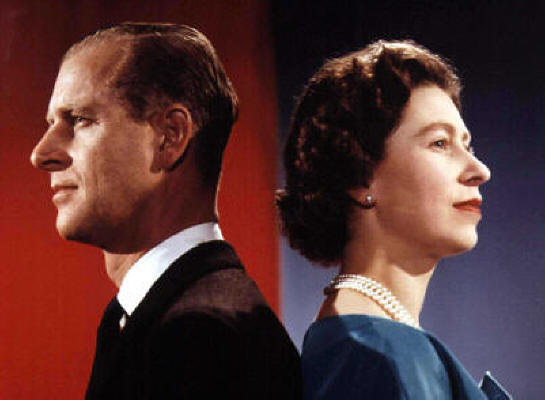
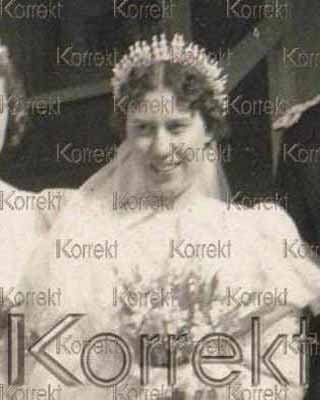
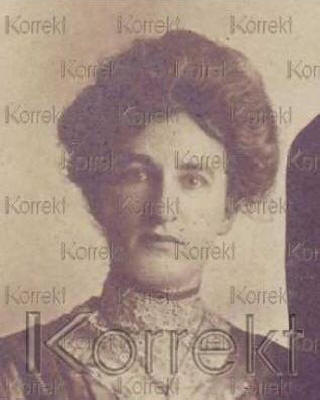
Elizabeth married Prince Philip, Duke of Edinburgh in 1947.
The couple have four children and eight grandchildren.
Korrekt's family
photo 1910 - 1930's |
 |
|
 |
|
 |
|
 |
|
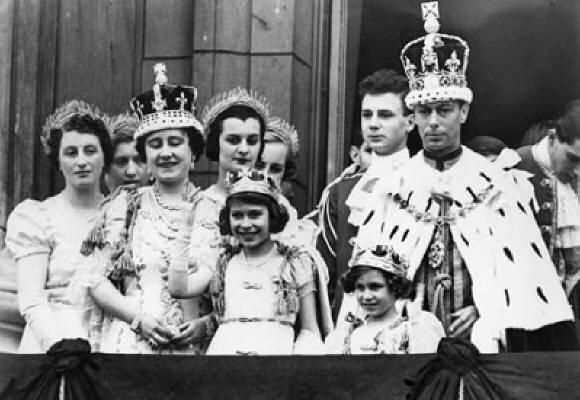
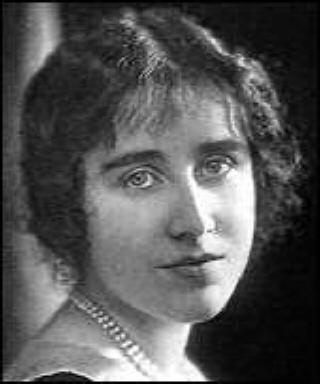
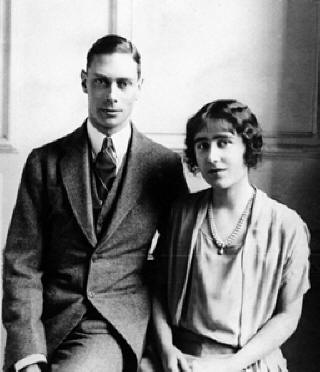
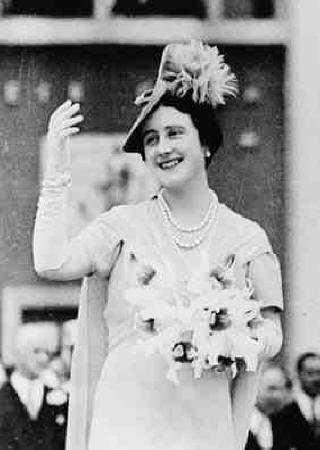
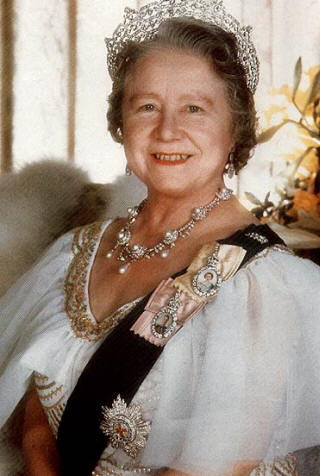
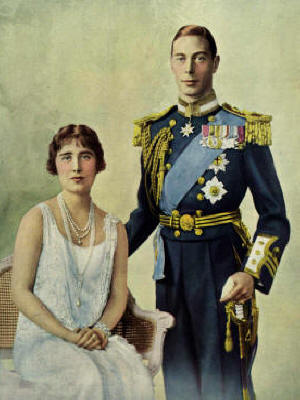
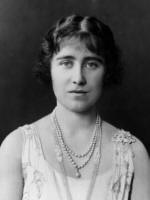
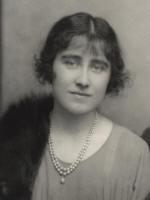
Queen
Elizabeth Bowes - Lyon (Elizabeth Angela Marguerite; 4 August
1900 - 30 March 2002) was the Queen consort of King George
VI of the United Kingdom and the British Dominions from 1936
until his death in 1952. After her husband's death, she was
known as Queen Elizabeth The Queen Mother, to avoid
confusion with her daughter, Queen Elizabeth II. She was the
last Queen consort of Ireland and Empress consort of India.
Born into a family of Scottish nobility (her father
inherited the Earldom of Strathmore and Kinghorne in
1904), she came to prominence in 1923 when she married
Albert, Duke of York, second son of King George V and Queen
Mary.
Korrekt's
family photo likeness 1900's |
|
 |
 |
 |
|
 |
|
 |
|
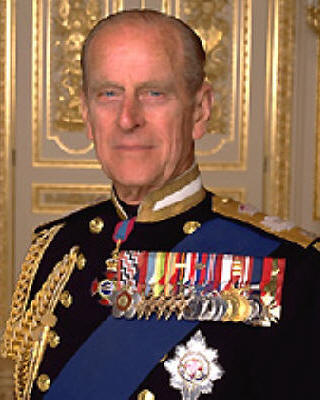
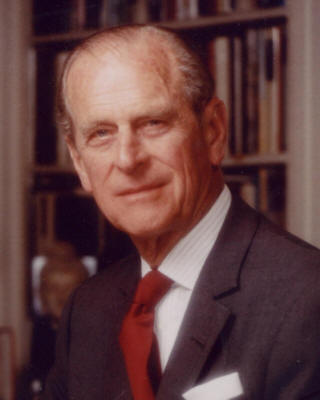
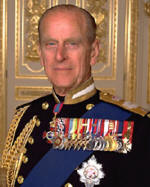
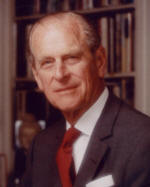
Prince Philip, Duke of
Edinburgh (Philippos of Greece and Denmark; born 10 June
1921) husband of Queen Elizabeth II. Philip was originally a
royal prince of Greece and Denmark, and thus a member of the
Danish-German House of Schleswig-Holstein-Sonderburg-Glücksburg,
but renounced these titles shortly before his marriage and
adopted the surname of his maternal grandparents, to become
known as Lieutenant Philip Mountbatten. On the day before
Philip was married, he was granted the style of His Royal
Highness by King George VI and, the next day, was made Duke
of Edinburgh, Earl of Merioneth and Baron Greenwich. Queen
Elizabeth made Philip a Prince of the United Kingdom in
1957.
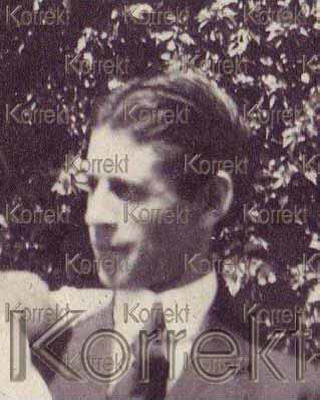
Korrekt's family
photo 1930's |
|
 |
 |
|
 |
|
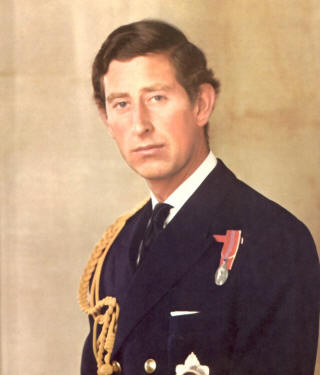
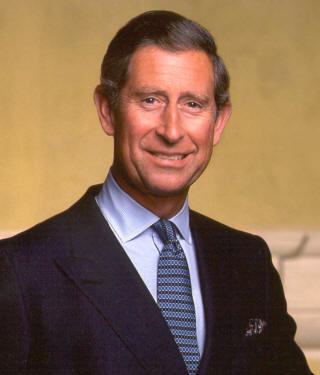
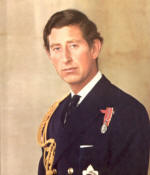
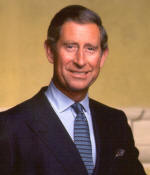
Prince Charles
of Wales (Charles Philip Arthur George born 14 November
1948) is the eldest child of Queen Elizabeth II and Prince
Philip, Duke of Edinburgh. Since 1952, he has been heir
apparent to the thrones of the Commonwealth realms. After
earning a bachelor of arts from Trinity College, Cambridge,
Charles served a tour of duty with Royal Navy in 1971-1976.
He married Lady Diana Spencer before an enormous worldwide
television audience in 1981. They had two children, Prince
William of Wales in 1982 and Prince Harry of Wales in 1984.
The couple separated in 1992 following numerous tabloid
allegations concerning their relationship. They divorced in
1996 after Diana publicly accused the prince of having an
affair with Camilla Parker Bowles. Diana died in a car crash
in 1997 and in 2005 the Prince married Parker Bowles.
Korrekt's family
photo 1920's
|
|
 |
 |
|
 |
|
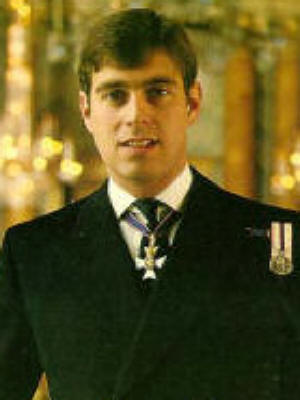
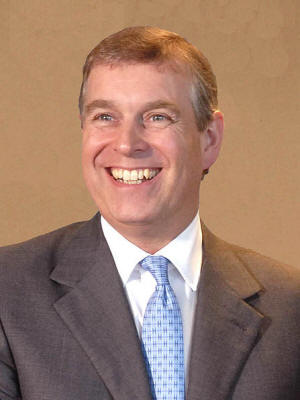
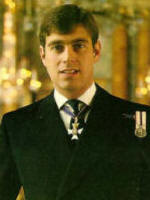
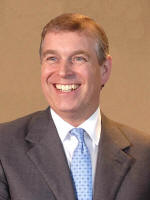
Prince
Andrew, Duke of York KG GCVO (Andrew Albert Christian
Edward; born 19 February 1960), is the second son, and third
child of Queen Elizabeth II and Prince Philip, Duke of
Edinburgh. At the time of his birth, he was second in the
line of succession to the thrones of seven independent
sovereign states known as the Commonwealth realms; however,
after the births of two children to his elder brother, and
an evolution of the Commonwealth, Prince Andrew is currently
fourth in line to the thrones of 16 countries: the United
Kingdom, Canada, Australia, New Zealand, Jamaica, Barbados,
the Bahamas, Grenada, Papua New Guinea, the Solomon Islands,
Tuvalu, Saint Lucia, Saint Vincent and the Grenadines,
Belize, Antigua and Barbuda, and Saint Kitts and Nevis.
He also holds
the actual rank of Commander and the honorary rank of Rear
Admiral in the Royal Navy, in which he served as an active
duty helicopter pilot and later instructor in helicopter
flight. He saw active service during the Falklands War,
flying on multiple missions including anti-surface warfare,
Exocet missile decoy and casualty evacuation.
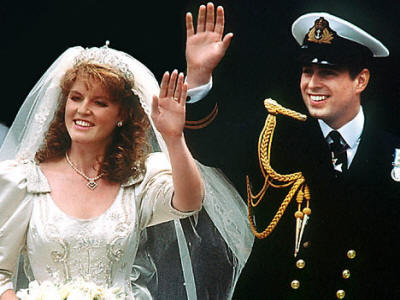
In 1986, Prince Andrew married Sarah Ferguson; the couple's
marriage, subsequent separation and eventual divorce in 1996
attracted a high level of media coverage. As well as
carrying out various royal duties, he served as the United
Kingdom's Special Representative for International Trade and
Investment until July 2011.
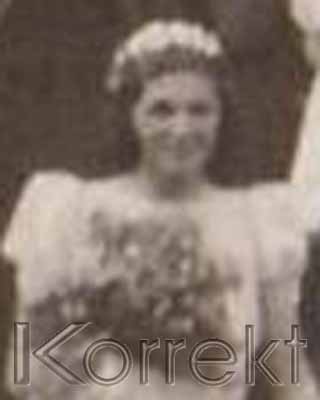
Korrekt's
family photo likeness 1900's - 1930's
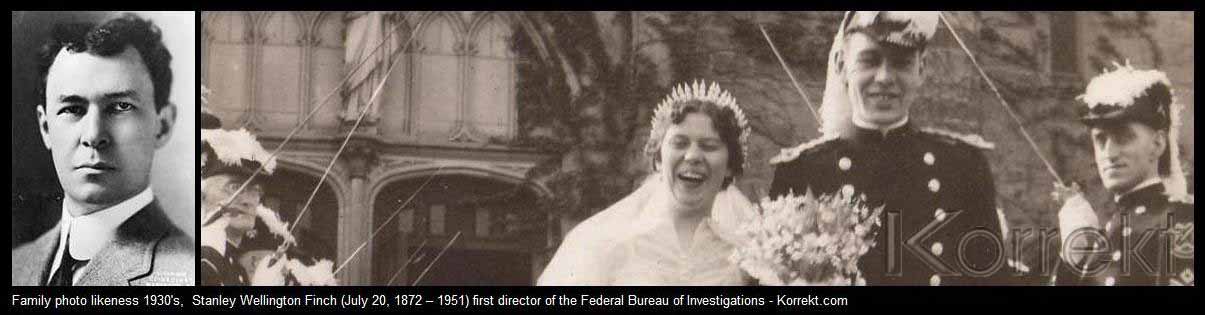
Sarah Ferguson (similarities)
FBI
Finch 01 |
|
 |
| |
 |
|
 |
|
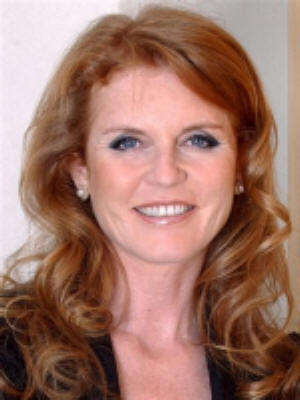
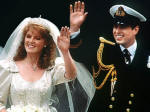
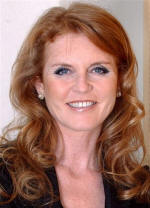
Sarah
Ferguson,
Duchess of York (Sarah Margaret Ferguson; born 15
October 1959) is a British charity patron, spokesperson,
writer, film producer, television personality and member of
the British Royal Family. She is the former wife of
Prince Andrew, Duke of York, to whom she was married from
1986 until their divorce in 1996. She is often popularly
referred to as "Fergie", a common nickname for people named
Ferguson.
The Duchess is the younger daughter of Major Ronald Ferguson
and Susan Barrantes. Her
children, Princesses Beatrice and Eugenie of York, are
respectively fifth and sixth in the line of succession to
the thrones of 16 independent Commonwealth realms.
Korrekt's
family photo likeness 1900's 1930's
Sarah Ferguson (similarities)
FBI
Finch 01 |
|
 |
| |
 |
|
 |
|
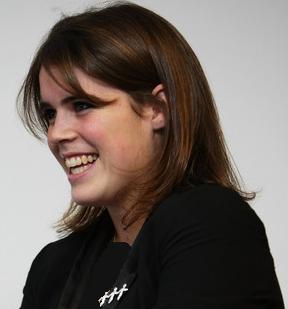
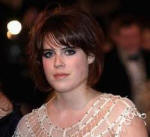
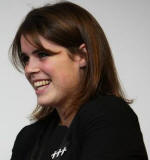
Princess
Eugenie of York (Eugenie Victoria Helena; born 23 March
1990) is the younger daughter of Prince Andrew, Duke of
York, and Sarah, Duchess of York. As such she is sixth, and
the second female, in the line of succession to the thrones
of the 16 Commonwealth realms.
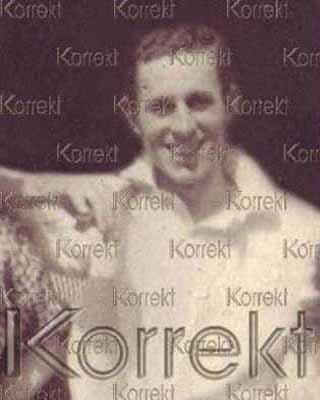
Korrekt family photo 1970's
EGA
1 2
3
4
EGA
> |
|
 |
| |
 |
|
 |
|
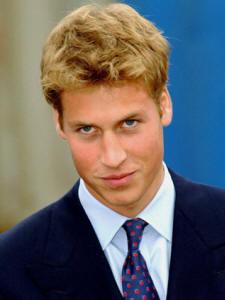
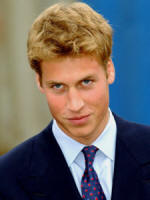
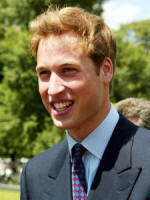
Prince William
of Wales (William Arthur Philip Louis; born 21 June 1982),
KG, is the elder son of Prince Charles, Prince of Wales, and
the late Diana, Princess of Wales, and grandson of Queen
Elizabeth II and Prince Philip, Duke of Edinburgh. As such,
he is second in the line of succession to 16 independent
states, although he is resident and most directly involved
with the United Kingdom, the oldest realm.
Korrekt's family
photo 1910's |
|
 |
 |
|
 |
|
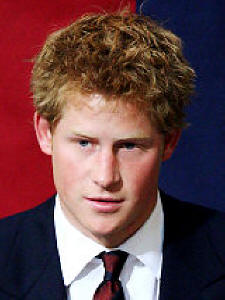
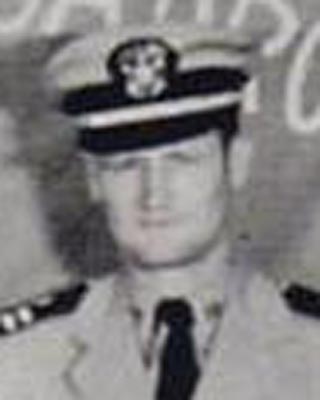
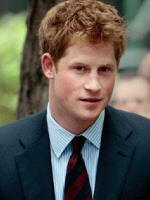
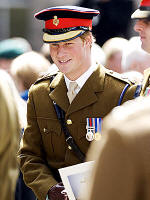
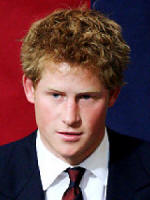
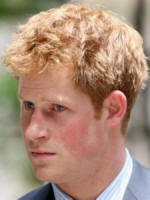
Prince Henry
of Wales (Henry Charles Albert David; born 15 September
1984), commonly known as Prince Harry, is the younger son of
Charles, Prince of Wales, and the late Diana, Princess of
Wales, and grandson of Queen Elizabeth II. As such, he is
third in the line of succession to the thrones of 16
independent Commonwealth realms, though he is resident in
and most directly involved with the United Kingdom.
US Navy likeness 1950's |
|
 |
| |
 |
|
 |
|
US Navy likeness 1950's |
|
 |
 |
|
 |
|
 |
|
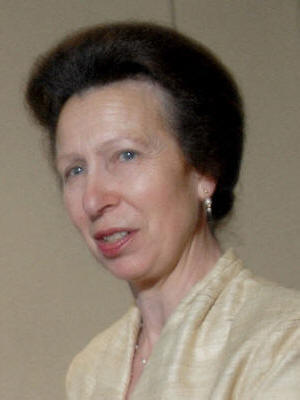
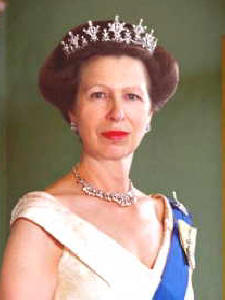
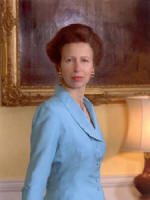
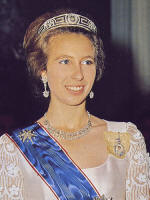
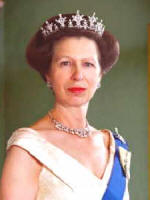
Princess Anne
Royal (Anne Elizabeth Alice Louise; born 15 August 1950) is
the only daughter of Queen Elizabeth II and Prince Philip,
Duke of Edinburgh. At the time of her birth, she was third,
and later for a few years was second in the line of
succession to the thrones of seven independent states;
however, after additions to the Royal Family, and an
evolution of the Commonwealth, Anne is currently tenth in
line to the thrones of 16 countries. She is resident in and
most directly involved with the United Kingdom, the oldest
realm, while also carrying out duties in and on behalf of
the other states of which her mother is sovereign. The
seventh holder of the title Princess Royal, Anne is known
for her charitable work, being the patron of over 200
organizations, and she carries out about 700 royal
engagements and public appearances per year.
Princess Anne is also known for equestrian talents; she won
two silver and one gold medal at the European Eventing
Championships, and is the only member of the British Royal
Family to have competed in the Olympic Games. She is
presently married to Vice-Admiral Timothy Laurence, and has
two children from her previous marriage to Mark Phillips.
US Navy likeness
1950's
(reference
Hungary) |
|
 |
 |
 |
 |
|
 |
|
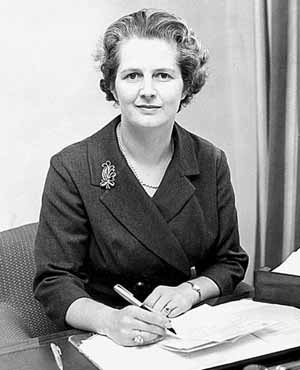
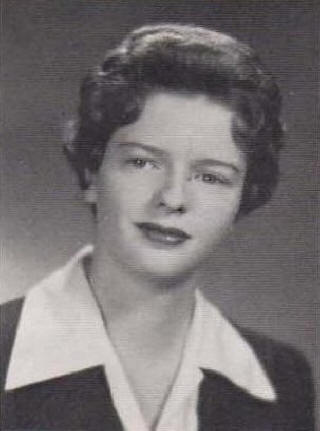
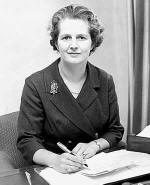
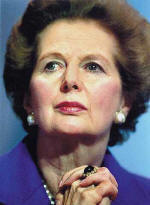
Margaret
Hilda Thatcher, Baroness Thatcher LG, OM, PC, FRS (born 13
October 1925) served as Prime Minister of the United Kingdom
from 1979 to 1990 and Leader of the Conservative Party from
1975 to 1990. She is the only woman to have held either
post. Born in Grantham in Lincolnshire, England, she read
chemistry at Somerville College, Oxford and later trained as
a barrister. She won a seat in the 1959 general election,
becoming the MP for Finchley as a Conservative. When Edward
Heath formed a government in 1970, he appointed Thatcher
Secretary of State for Education and Science. Four years
later, she backed Keith Joseph in his bid to become
Conservative Party leader but he was forced to drop out of
the election. In 1975 Thatcher entered the contest herself
and became leader of the Conservative Party. At the 1979
general election she became Britain's first female Prime
Minister.
High School likeness 1950's |
|
 |
 |
|
 |
|
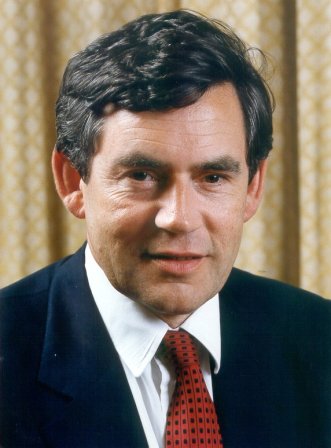
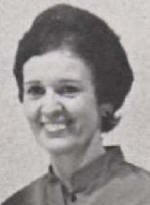
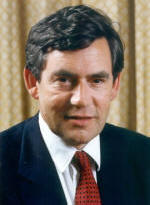
James Gordon Brown (born 20
February 1951) is the Prime Minister of the United Kingdom
and Leader of the Labour Party. Brown became Prime Minister
in June 2007, after the resignation of Tony Blair and three
days after becoming leader of the governing Labour Party.
Immediately before this he had served as Chancellor of the
Exchequer in the Labour government from 1997 to 2007 under
Tony Blair
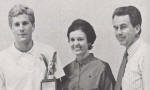
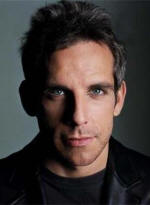
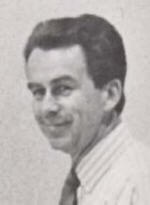
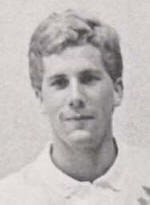
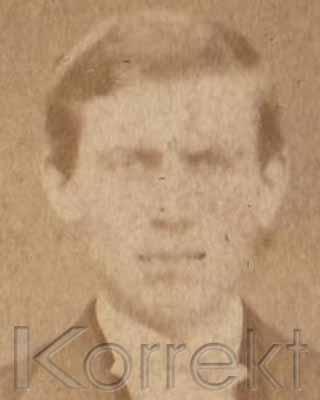
Korrekt's family photo 1940's & High School likenesses 1980's |
 |
| |
 |
 |
 |
 |
 |
FBI Finch
01 |
 |
|
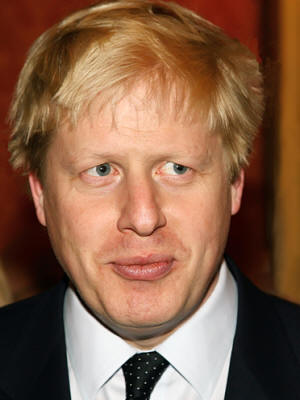
Alexander
Boris de Pfeffel Johnson (born 19 June 1964) is a British
Conservative Party politician and journalist, who has been
the elected Mayor of London since 2008. He was previously
the Member of Parliament for Henley and editor of The
Spectator magazine. |
|
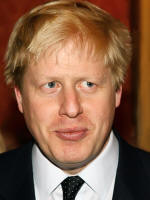 |
Korrekt family photos 1870's
US Navy likeness 1950's
SNL
01 |
| |
|
| |
|
| |
|
| |
|
 |
|
|
|
|
 |
|
 |
|
 |
|
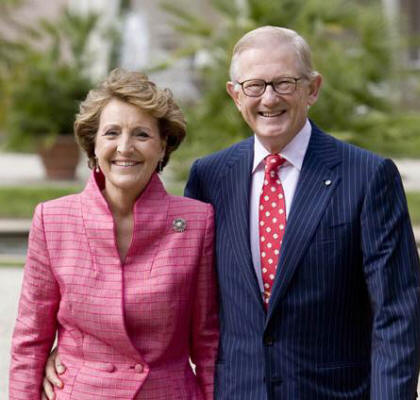
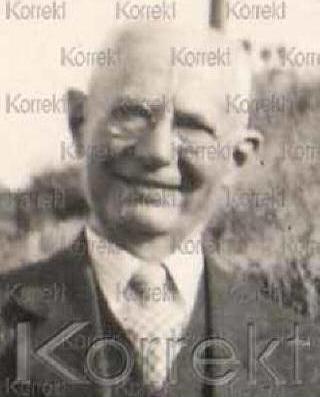
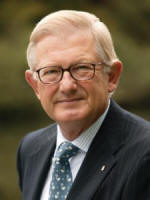
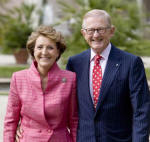
Pieter van Vollenhoven,
Jr. (born 30 April 1939) is the husband of Princess Margriet
Francisca of the Netherlands. He married Princess Margriet of the Netherlands
on 10 January 1967. Pieter
became a member of the Dutch Royal Family. He bears no
titles as a result of the marriage. Pieter is Aide-de-Camp
Extraordinary to Her Majesty Queen Beatrix.
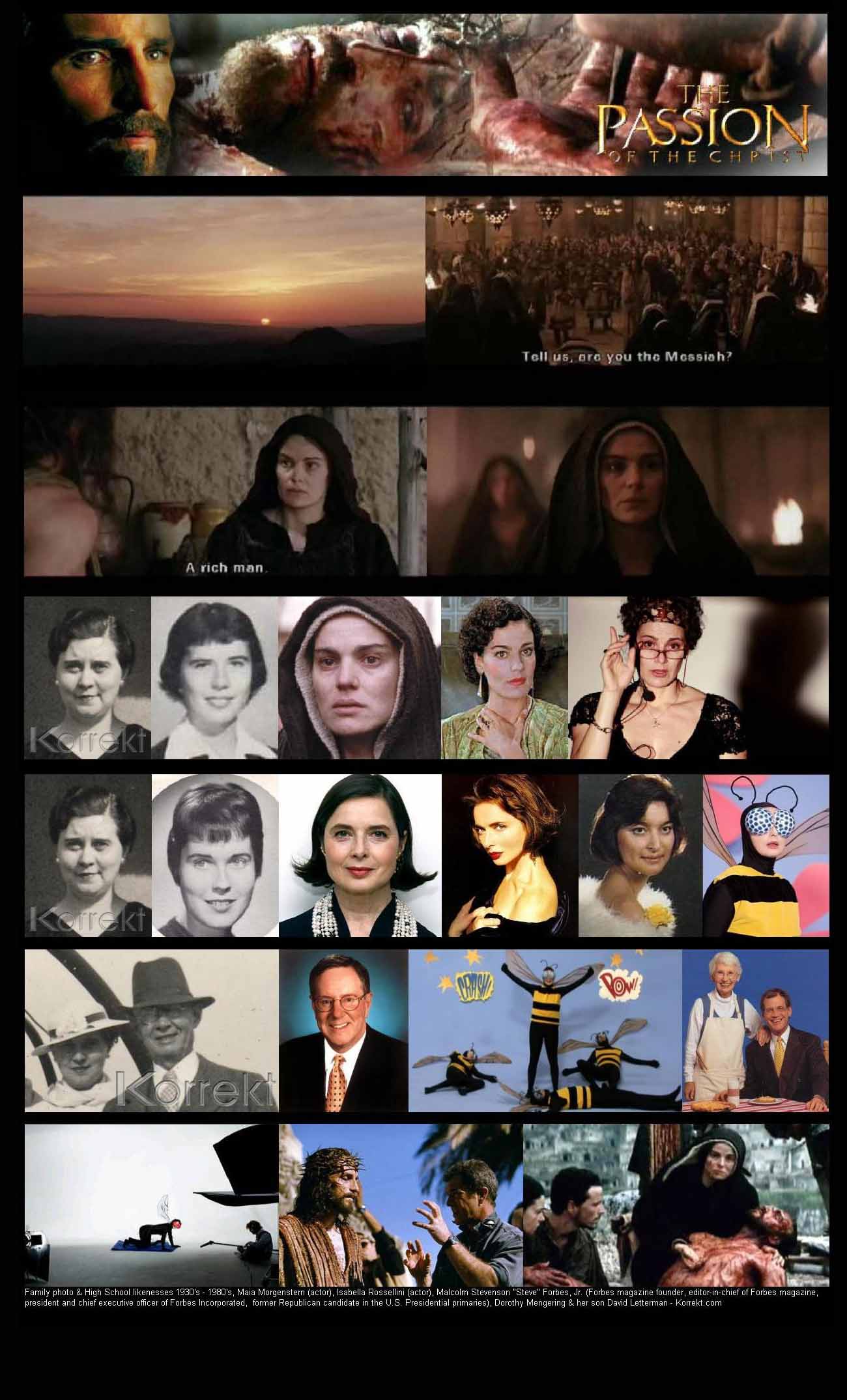
TPOTC Morgenstern Rossellini
Forbes Mengering Letterman
Korrekt family photo 1930's |
|
 |
 |
|
| |
|
| |
|
| |
|
| |
|
 |
|
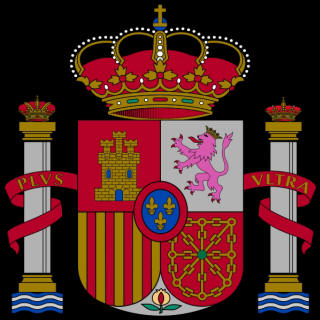
Spain, officially the
Kingdom of Spain, is a country located in
southwestern Europe on the Iberian Peninsula. Its mainland is
bordered to the south and east by the Mediterranean Sea except for a
small land boundary with Gibraltar; to the north by France, Andorra,
and the Bay of Biscay; and to the northwest and west by the Atlantic
Ocean and Portugal. Spanish territory also includes the Balearic
Islands in the Mediterranean, the Canary Islands in the Atlantic
Ocean off the African coast, and two autonomous cities in North
Africa, Ceuta and Melilla, that border Morocco. With an area of
504,030 km², Spain is the second largest country in Western Europe
and the European Union after France.
Because of its location, the territory of Spain was subject to many
external influences, often simultaneously, since prehistoric times
and through the dawn of Spain as a country. Conversely, the country
itself has been an important source of influence to other regions,
chiefly during the Modern Era, when it became a global empire that
has left a legacy of over 400 million Spanish speakers today.
Spain is a democracy organized in the form of a parliamentary
government under a constitutional monarchy. It is a developed
country with the ninth or tenth largest economy by nominal GDP, and
high living standards (Spain has the 15th highest HDI). It is a
member of the United Nations, European Union, NATO, OECD, and WTO.
FIFA
Spain Netherlands
>
>
|
|
 |
| |
 |
|
|
|
|
|
 |
|
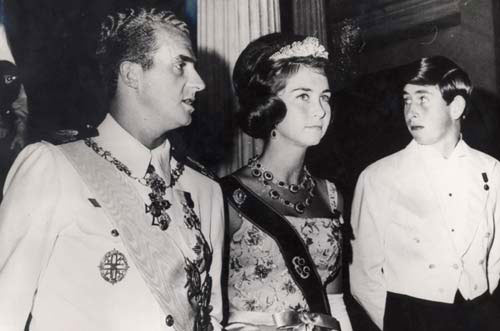
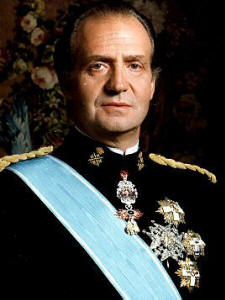
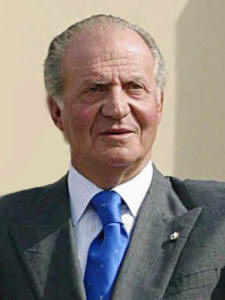
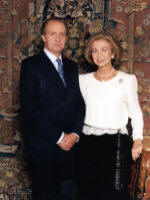
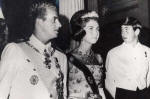
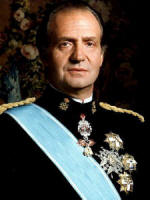
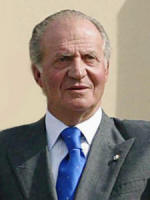
King Juan
Carlos I of Spain (Juan Carlos Alfonso Víctor María de
Borbón y Borbón-Dos Sicilias; born 5 January 1938, Rome, Italy) is
the reigning king of Spain. He is the son of the late Infante Juan,
Count of Barcelona and the late Princess María Mercedes of
Bourbon-Two Sicilies. He is the grandson of the prior King of Spain,
Alfonso XIII who was deposed in 1931. On 22 November 1975, Juan Carlos was
designated King according to the law of succession promulgated by
Franco. Juan Carlos was married in Athens at the Church of Saint
Dennis on 14 May 1962, to HRH Princess Sophia of Greece and Denmark,
daughter of King Paul.
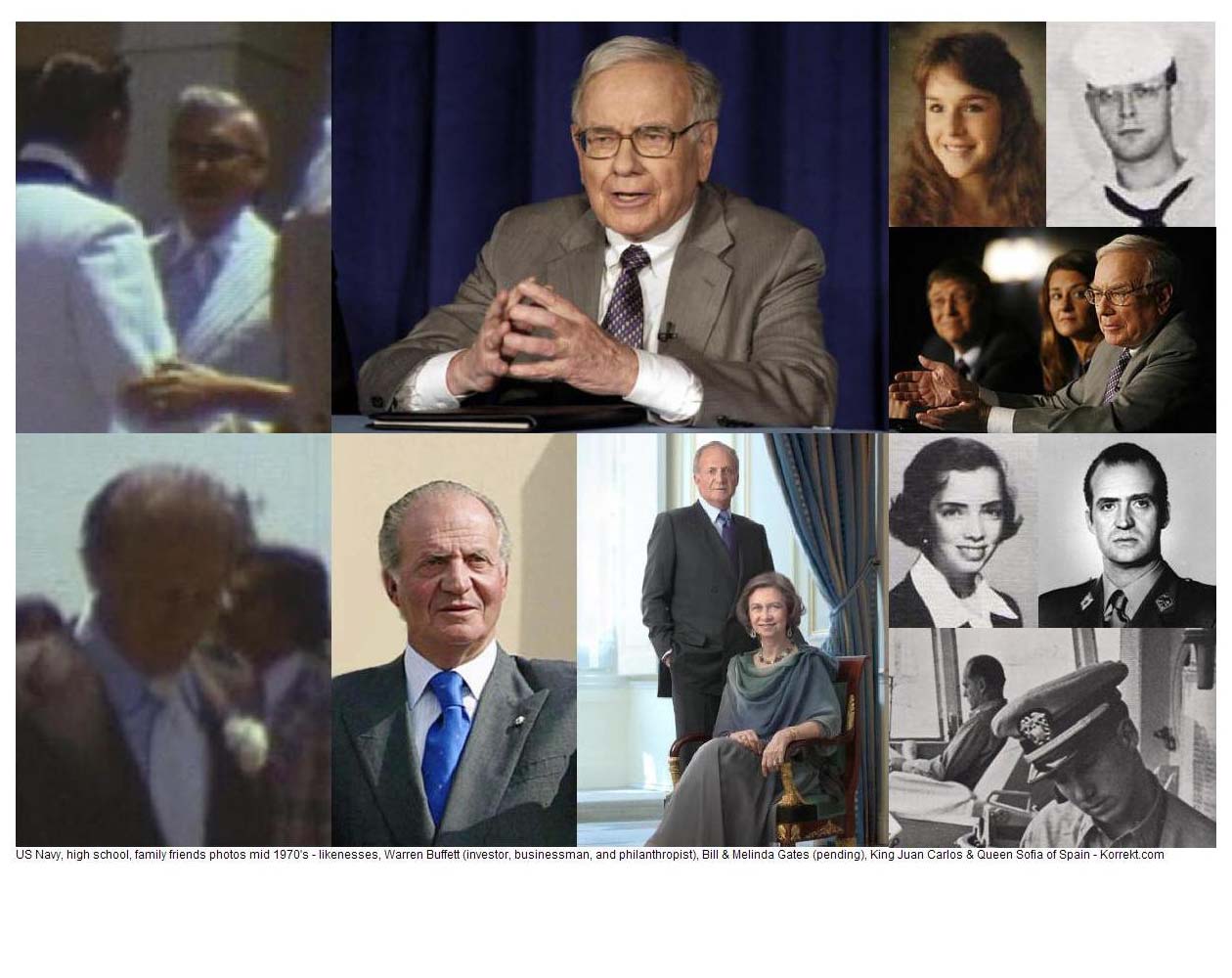
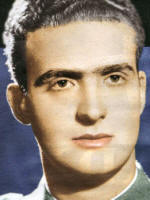
US Navy likenesses 1950's &
Korrekt family photo 1970's
US Navy Buffet Gates Spain
|
|
|
 |
 |
 |
 |
 |
 |
|
 |
|
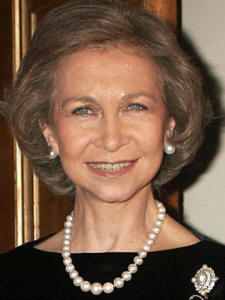
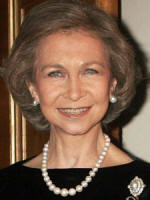
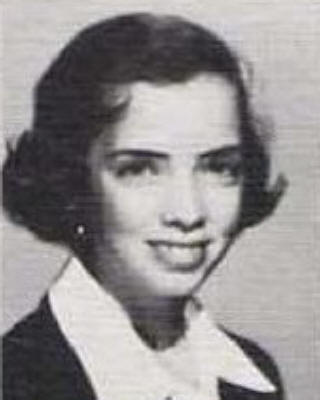
Queen Sofía of Spain (Princess Sophia Margaret Victoria Frederica of Greece and
Denmark; Spanish: Sofía de Grecia y Dinamarca; Greek; born
on 2 November, 1938), is the Queen consort of Spain as the
wife of King Juan Carlos I.
Princess Sophia of Greece and Denmark was born in Psychiko,
Athens, Greece. Queen
Sofia is a member of the Schleswig-Holstein-Sonderburg-Glücksburg
dynasty. Her brother is the deposed King Constantine II of
Greece and her sister Princess Irene of Greece and Denmark.
However, since the abolition of the monarchy, the royal
titles are not recognized by the Constitution of Greece.
High School likeness 1950's
Korrekt family likeness 1925
>
> |
|
 |
|
|
 |
|
Queen Sofía of Spain (Princess Sophia Margaret Victoria Frederica of Greece and
Denmark; Spanish: Sofía de Grecia y Dinamarca; Greek; born
on 2 November, 1938), is the Queen consort of Spain as the
wife of King Juan Carlos I.
Princess Sophia of Greece and Denmark was born in Psychiko,
Athens, Greece. Queen
Sofia is a member of the Schleswig-Holstein-Sonderburg-Glücksburg
dynasty. Her brother is the deposed King Constantine II of
Greece and her sister Princess Irene of Greece and Denmark.
However, since the abolition of the monarchy, the royal
titles are not recognized by the Constitution of Greece.
High School likeness 1950's
Korrekt family likeness 1925
>
> |
|
|
|
 |
|
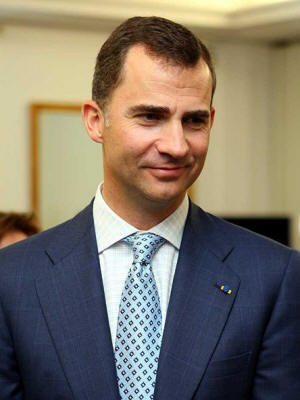
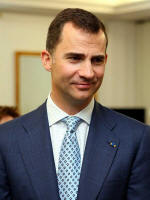
Prince Felipe of Asturias
(Felipe Juan Pablo Alfonso de Todos los Santos
(et omnes sancti) de Borbón y de Grecia; born 30 January
1968, Madrid, Spain), is the third child and only son of
King Juan Carlos and Queen Sofía of Spain. As the Prince of
Asturias he is the heir apparent to the Spanish throne.
As heir to the Spanish throne he bears the official titles
of Prince of Asturias, Prince of Viana, Prince of Girona,
Duke of Montblanc, Count of Cervera and Lord of Balaguer.
US Navy likeness
1950's |
|
 |
|
 |
|
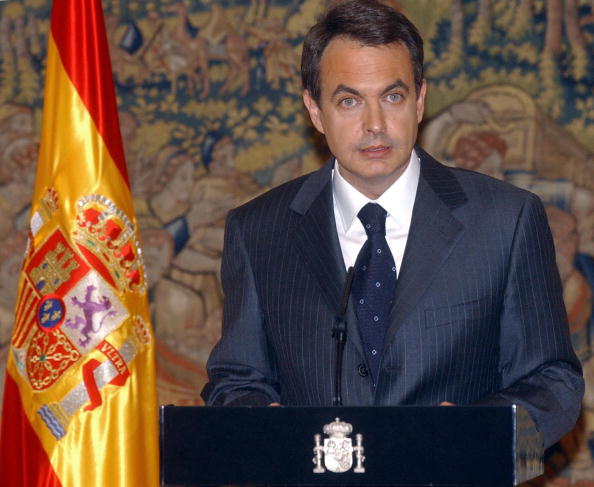
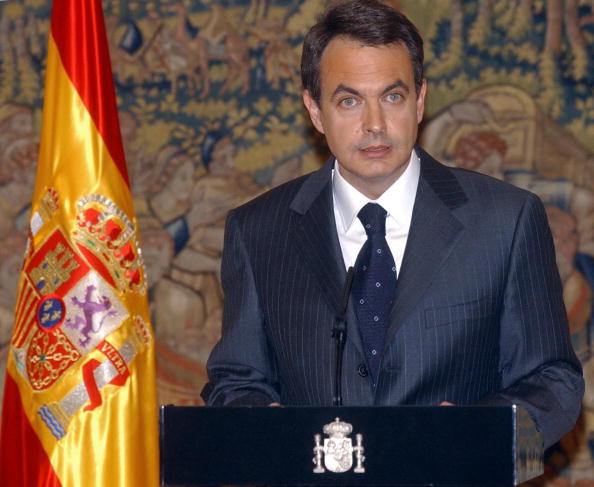
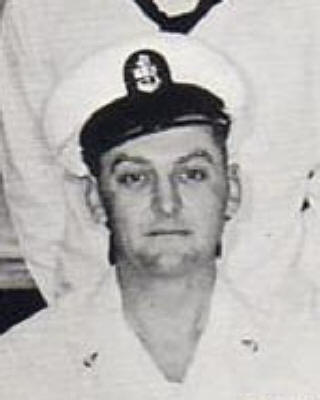
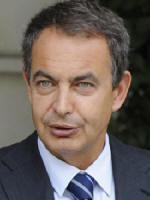
José Luis Rodríguez Zapatero
(born 4 August 1960, Valladolid), better known by his
maternal surname Zapatero or ZP, is the current President of
the Government of Spain (Presidente del Gobierno de España in Spanish). Zapatero has won two consecutive
elections, the first in 2004, and again in 2008, after his
Spanish Socialist Workers' Party (PSOE) won a plurality of
seats in the Spanish Congress of Deputies.
US Navy
likeness
1950's |
|
 |
| |
 |
|
|
 |
|
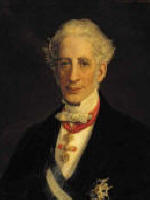
Francisco
de Paula Martinez de la Rosa (March 10, 1787 – February 7, 1862),
Spanish statesman and dramatist, born on the 10th of March 1787
at Granada, He won popularity with a series of epigrams on local celebrities
published under the title of El Cementerio de momo. During the
struggle against Napoleon he took the patriotic side, elected
deputy, and at Cadiz produced his first play, Lo que puede un empleo,
a prose comedy in the manner of the younger Moratin. La Viuda de
Padilia (1814), a tragedy modelled upon Alfieri, was less acceptable
to the Spanish public.
Meanwhile the author became more and more engulfed in politics, and
in 1814 was banished to Africa, where he remained until 1820, when
he was suddenly recalled and appointed prime minister. During the
next three years he was the most unpopular man in Spain; denounced
as a revolutionist by the Conservatives and as a reactionary by the
Liberals, he alienated the sympathies of all parties, and his
rhetoric earned for him the contemptuous nickname of Rosita la
Pastelera (Rosie the compromiser/cake maker).
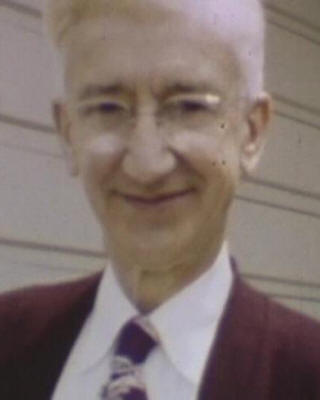
Korrekt family photo 1950's |
|
 |
|
| |
|
| |
|
| |
|
| |
|
 |
|
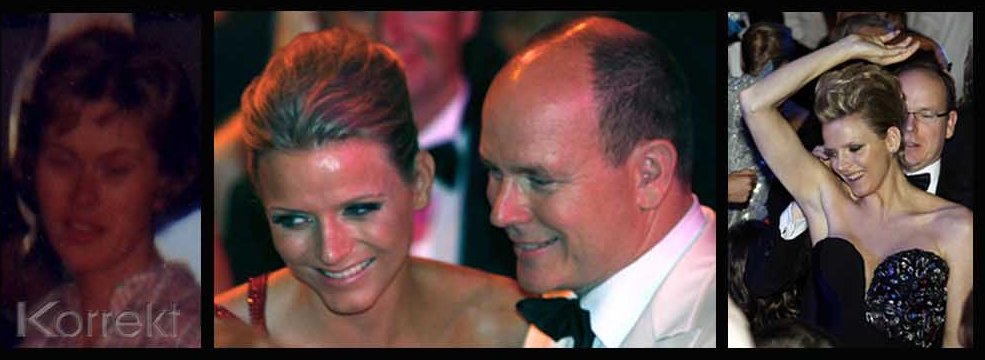
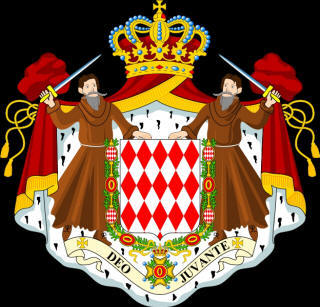
Monaco,
officially the Principality of Monaco, is a sovereign city
state, located on the French Riviera in Western Europe.
Bordered by France on three sides, with one side bordering
the Mediterranean Sea, its population of 35,986, makes
Monaco the second smallest and the most densely populated
country in the world. Monaco's most populated Quartier
is Monte Carlo, and the most populated Ward is Larvotto Bas
Moulins. After a recent expansion of Port Hercules,
Monaco's total area is 2.05 km2 (0.79 sq mi), with new plans
to extend the district of Fontvieille, with land reclaimed
from the Mediterranean Sea.
Monaco is a principality governed under a form of
constitutional monarchy, with Prince Albert II as head of
state. Even though Prince Albert II is a
constitutional monarch, he still has immense political
power. The House of Grimaldi have ruled Monaco, with
brief interruptions, since 1297. The official language is
French, but Monégasque, Italian, and English are widely
spoken and understood. The state's sovereignty was
officially recognized by the Franco-Monegasque Treaty of
1861, with Monaco becoming a full UN voting member in 1993,
after much political debate. Despite Monaco's
independence and separate foreign policy, its defense is the
responsibility of France. However, Monaco does
maintain two small military units, totaling 255 officers and
men, the Corps des Sapeurs-Pompiers de Monaco, and the
Compagnie des Carabiniers du Prince.
>
>
>
>
>
>
|
|
|
| |
 |
|
| |
|
| |
|
| |
|
| |
|
 |
|
| |
|
 |
|
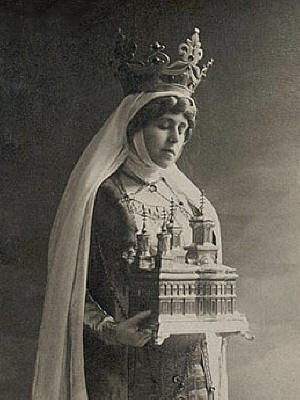
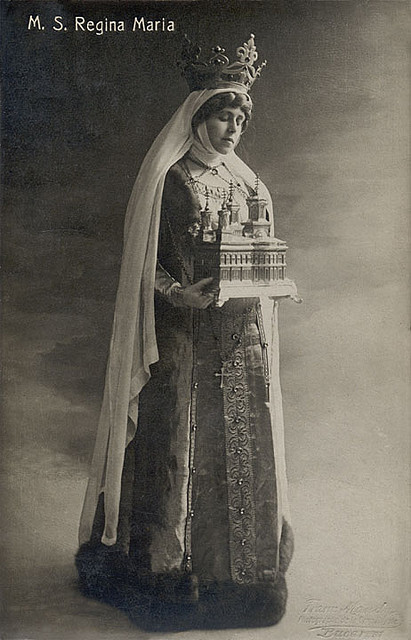
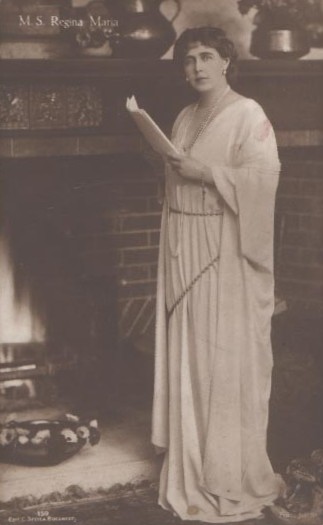
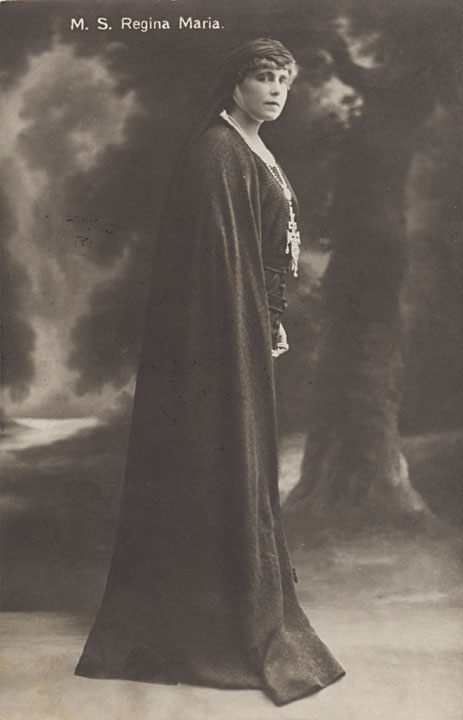
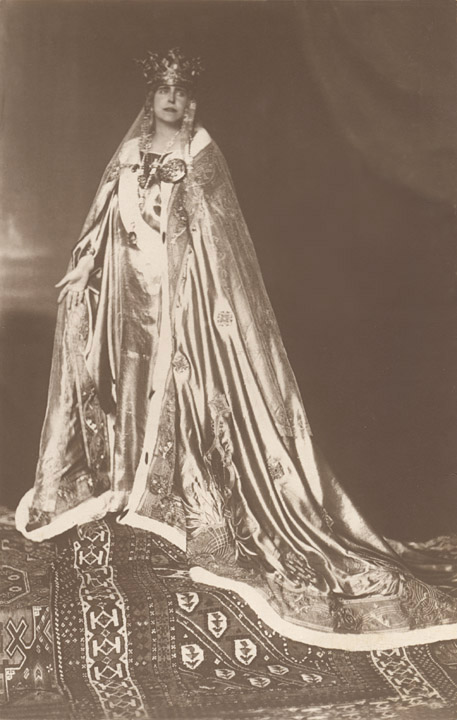
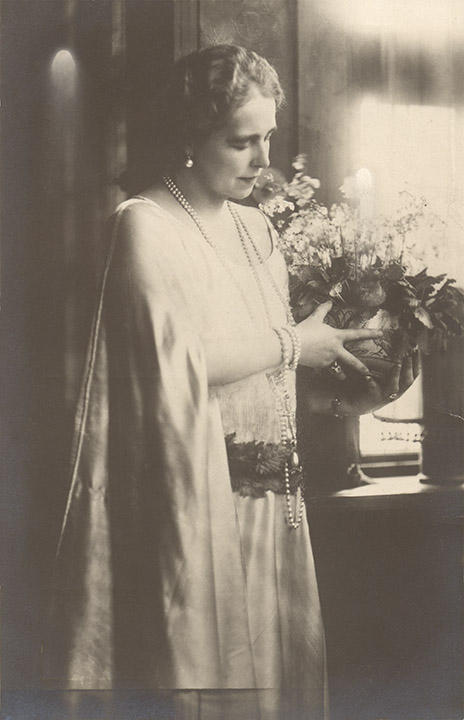
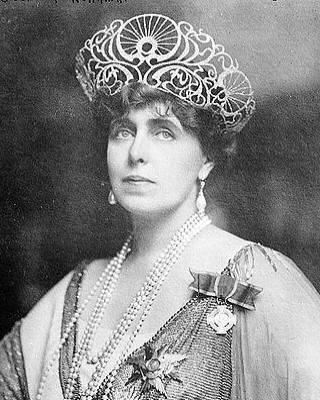
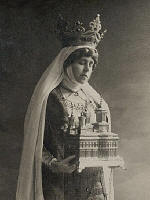
Queen Marie of
Romania (Marie Alexandra Victoria, previously Princess Marie
of Edinburgh; 29 October 1875 – 18 July 1938) was Queen
consort of Romania from 1914 to 1927, as the wife of
Ferdinand of Romania.
Korrekt family photo's 1920's
Queen Regina Maria
>
>
>
>
>
> reference Azores |
|
 |
| |
 |
|
| |
|
| |
|
| |
|
| |
|
 |
|
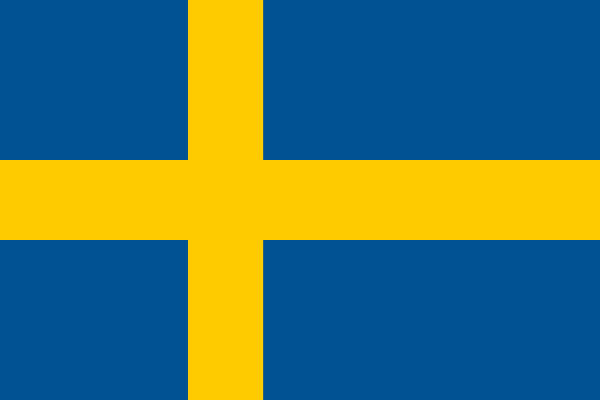
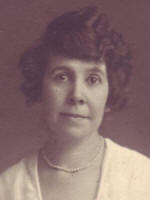
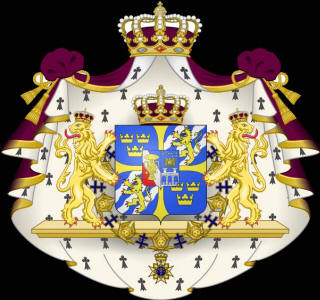
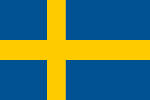
Sweden,
officially the Kingdom of Sweden is a Nordic country on the
Scandinavian Peninsula in Northern Europe. Sweden borders
with Norway and Finland and is connected to Denmark by a
bridge-tunnel across the Öresund. At 450,295 square
kilometres (173,860 sq mi), Sweden is the third largest
country in the European Union by area, with a total
population of about 9.4 million. Sweden has a low population
density of 21 inhabitants per square kilometre (54 /sq mi)
with the population mostly concentrated to the southern half
of the country. About 85% of the population live in urban
areas. Sweden's capital is Stockholm, with 1.3 million
inhabitants also the largest city.
Today, Sweden is a constitutional monarchy with a
parliamentary democracy of government and a highly developed
economy.
|
| |
 |
| |
 |
|
 |
|
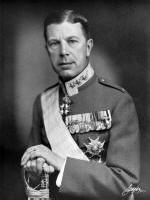
Gustaf VI
Adolf - Oscar Fredrik Wilhelm Olaf Gustaf Adolf - (11
November 1882 – 15 September 1973) was King of Sweden from
October 29 1950 until September 15 1973. He was the eldest
son of King Gustaf V and his wife Victoria of Baden. He
married, firstly, Princess Margaret of Connaught on 15 June
1905 in St. George's Chapel, at Windsor Castle. Princess
Margaret was the daughter of HRH Prince Arthur, Duke of
Connaught, third son of Queen Victoria and Prince Albert of
the United Kingdom.
He married, secondly, Lady Louise Mountbatten, formerly HSH
Princess Louise of Battenberg, on 3 November 1923. It was
Lady Louise who became Queen of Sweden.
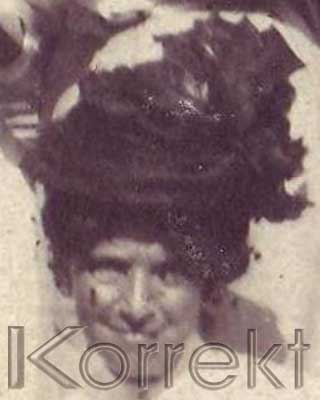
Korrekt
family Likeness 1900's |
|
 |
|
 |
|
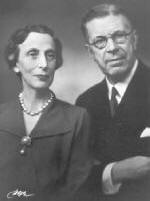
Louise
Mountbatten (Louise Alexandra Marie Irene; 13 July 1889 – 7
March 1965) became Queen consort of Sweden in 1950 and
served as such until 1965. Through her marriage, prior to
her husband's accession as King Gustaf VI Adolf, Louise was
Crown Princess of Sweden and Duchess of Scania.
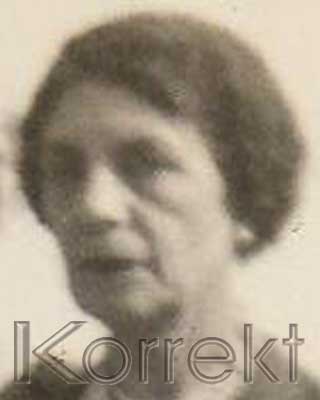
Korrekt
family Likeness 1940's |
|
 |
|
 |
|
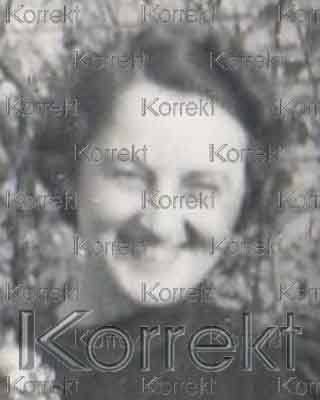
Princess
Märtha of Sweden (28 March 1901 – 5 April 1954), full name
Märtha Sofia Lovisa Dagmar Thyra was the granddaughter of
King Oscar II of Sweden and the consort of Crown Prince Olav
of Norway (later King Olav V). She was the first Crown
Princess of Norway in modern times who was not also Crown
Princess of Sweden or Denmark. She was also a Princess of
Norway from her birth in 1901 to the dissolution of the
personal union between Sweden and Norway in 1905.
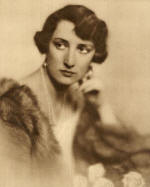
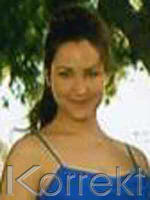
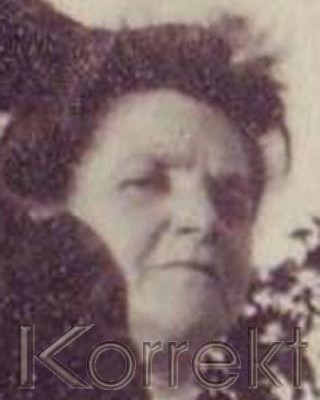
Korrekt
family photo's 1940's - 2000's
MLNM |
|
 |
| |
 |
|
 |
|
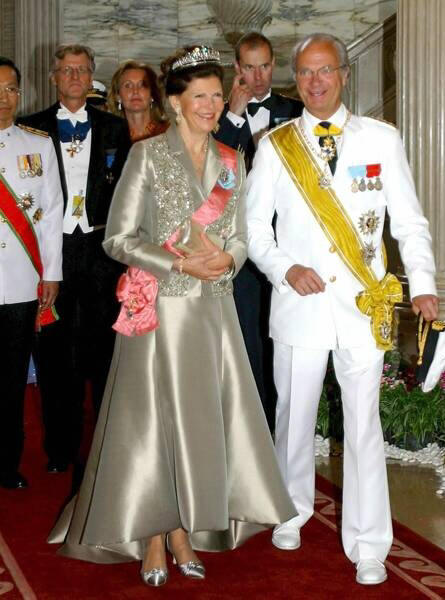
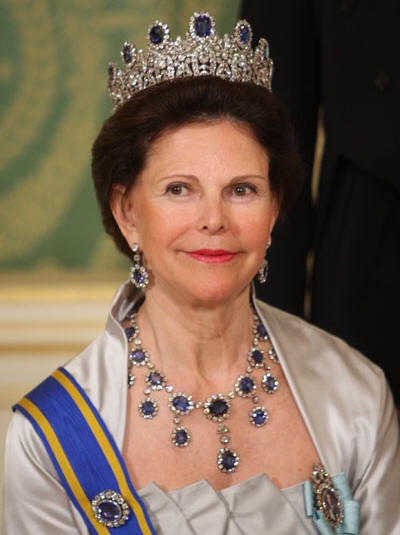
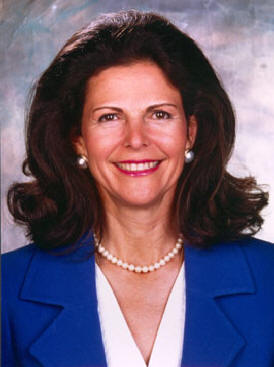
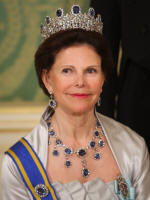
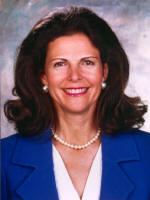
Queen Silvia
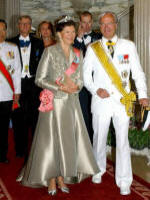
of Sweden (born 23 December 1943) is the Queen consort of
King Carl XVI Gustaf of Sweden. Styled Her Majesty The
Queen, Silvia is the mother of the heir apparent to the
throne, Crown Princess Victoria.
Korrekt
family likeness 1910's |
|
 |
| |
 |
|
 |
|
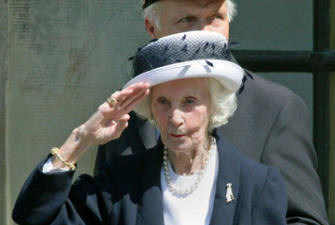
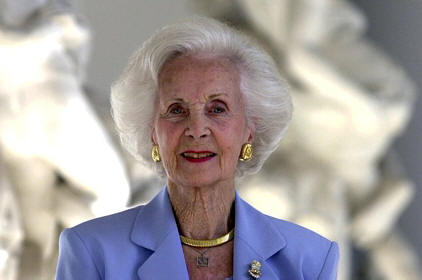
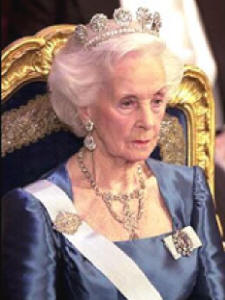
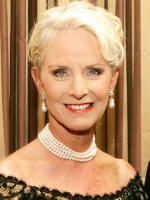
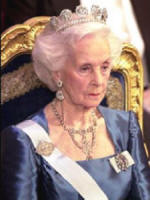
Princess
Lilian, Duchess of Halland (born Lillian May Davies on 30
August 1915) is a member of the Swedish Royal Family since
marrying the late prince Bertil, an uncle of King Carl XVI
Gustaf of Sweden, in 1976.
(reference Cindy
McCain wife of presidential candidate
Republican Senator John McCain)
High School likeness 1950's |
 |
 |
 |
 |
|
|
|
|
|
|
|
|
|
|
|
|
|
 |
|
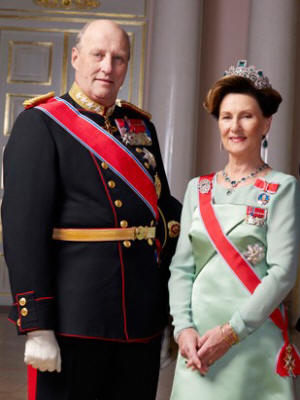
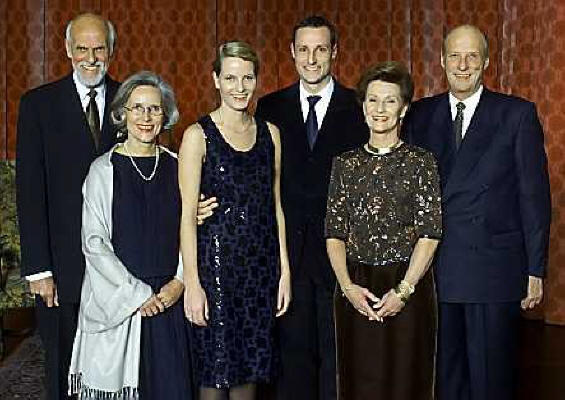
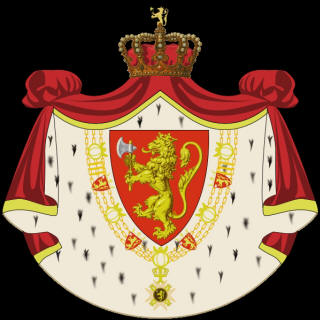
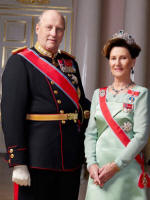
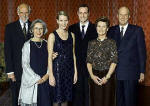
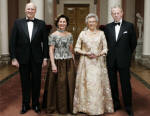
The Royal Family of Norway is the extended
family of King Harald V of Norway. In Norway there is a
distinction between the Royal House and the Royal Family.
The Royal House includes only the King, Queen, those
directly in line to the throne and their spouses.
Sweden seceded from the Kalmar Union ultimately in 1523. In
1469, the Norwegian king pledged Orkney and Shetland to the
crown of Scotland as mortgage for a dowry debt. In 1814,
Denmark ceded Norway (but not its dependencies Iceland,
Greenland and the Faroese) to Sweden; in 1905, Norway became
independent. Its new government offered the crown to Prince
Carl, second son of Frederick VIII of Denmark. After being
approved in a popular vote, Carl was crowned Haakon VII of
Norway.
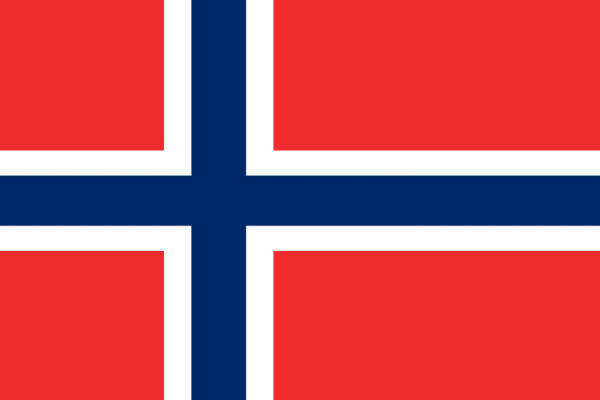
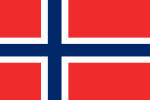
Norway, officially the Kingdom of Norway, is
a country in Northern Europe occupying the western portion
of the Scandinavian Peninsula, as well as Jan Mayen and the
Arctic archipelago of Svalbard under the Spitsbergen Treaty.
The majority of the country shares a border to the east with
Sweden; its northernmost region is bordered by Finland to
the south and Russia to the east. The United Kingdom and
Faroe Islands lie to its west across the North Sea, Iceland
and Greenland lie to its west across the Norwegian Sea, and
Denmark lies south of its southern tip across the Skagerrak
Strait. The capital of Norway is Oslo. Bouvet Island and
Peter I Island are dependent territories (Norwegian: biland)
of Norway, but not considered part of the Kingdom. Norway
also lays claim to a section of Antarctica known as Queen
Maud Land, a claim that has been recognized by Australia,
France, New Zealand and the United Kingdom. Norway's
extensive coastline, facing the North Atlantic Ocean and the
Barents Sea, is home to its famous fjords.
After the Second World War, the country experienced rapid
economic growth, the first two decades due to the Norwegian
shipping and merchant marine and domestic industrialization,
from the early 1970's a result of large oil deposits
discovered in the North Sea and Norwegian Sea. Today it
ranks as the wealthiest country in the world, with the
largest capital reserve per capita of any nation. In August
2009 the nation's sovereign wealth fund announced that it
owned approximately 1% of all the stocks in the world,
presumably referring to publicly traded stocks. Norway is
the world’s seventh largest oil exporter and the petroleum
industry accounts for around a quarter of its GDP. Following
the ongoing financial crisis of 2007-2009, bankers have
deemed the Norwegian krone to be one of the most solid
currencies in the world. |
|
 |
 |
 |
|
|
|
|
 |
|
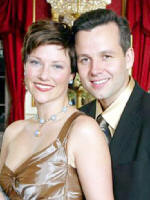
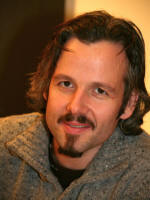
Prince Ari Mikael Behn (born 30
September 1972) is a Norwegian author, and is best known as
the husband of Princess Märtha Louise of Norway. Behn was
born in Århus, Denmark, the eldest child of Olav Bjørshol
(b. 1952) and Marianne Solberg (b. 1953). Both his parents
are waldorf teachers who have worked at the Waldorf School
in Moss; his father has a degree in special education while
his mother has trained as a waldorf teacher. His parents
married in 1973, but divorced after nine years and both
remarried, Olav Bjørshol to a daughter of André Bjerke.
However, in 2007 the parents of Ari Behn were married again.
On 24 May 2002, Behn married Princess Märtha Louise of
Norway.
Korrekt family photo 1930's
(reference Prince Frederik
of Denmark)
|
|
 |
|
|
 |
|
|
|
|
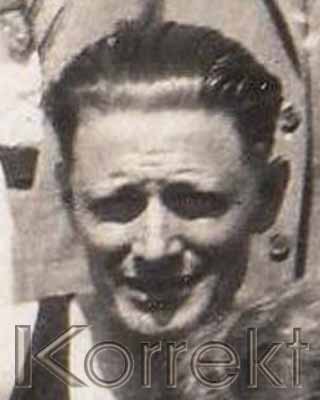
Princess
Märtha of Sweden (28 March 1901 – 5 April 1954), full name
Märtha Sofia Lovisa Dagmar Thyra was the granddaughter of
King Oscar II of Sweden and the consort of Crown Prince Olav
of Norway (later King Olav V). She was the first Crown
Princess of Norway in modern times who was not also Crown
Princess of Sweden or Denmark. She was also a Princess of
Norway from her birth in 1901 to the dissolution of the
personal union between Sweden and Norway in 1905.
Korrekt
family photo's 1940's - 2000's
MLNM |
|
|
| |
|
|
 |
|
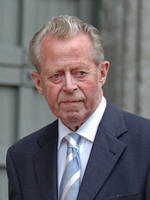
Johan Martin Ferner (born 22
July 1927, Asker) is a Norwegian sailor and Olympic
medalist. He won a silver medal in the 6 meter class with
the boat Elisabeth X at the 1952 Summer Olympics in
Helsinki, together with Finn Ferner, Erik Heiberg, Tor
Arneberg and Carl Mortensen. He is the brother-in-law
of King Harald V of Norway and Princess Ragnhild of Norway.
A department store owner, he has
married twice. His first marriage ended in divorce. He
remarried, at Asker Church outside Oslo on 12 January 1961
to Princess Astrid of Norway, the second daughter of Olav V
of Norway and Princess Märtha of Sweden.
Korrekt
family photo's 1910's
(reference Albert Arnold "Al"
Gore, Jr.
07.01.08 United
States Of America Government & World Leaders
Likeness) |
|
 |
| |
 |
|
|
|
|
|
|
|
|
|
|
|
|
|
|
 |
|
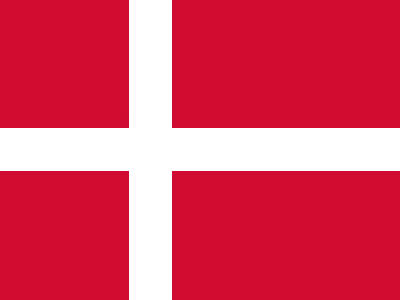
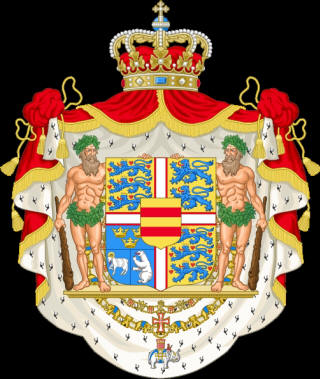
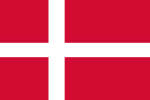
Denmark is a Scandinavian country in Northern
Europe and the senior member of the Kingdom of Denmark. It
is the southernmost of the Nordic countries; southwest of
Sweden and south of Norway, and it is bordered to the south
by Germany. Denmark borders both the Baltic and the North
Sea. The country consists of a large peninsula, Jutland (Jylland)
and many islands, most notably Zealand, Funen, Vendsyssel-Thy,
Lolland, Falster and Bornholm, as well as hundreds of minor
islands often referred to as the Danish Archipelago. Denmark
has long controlled the approach to the Baltic Sea, as over
water this can only take place via one of the three
channels, that are also known as the "Danish straits".
Denmark, with a mixed market capitalist
economy and a large welfare state, ranks according to one
measure, as having the world's highest level of income
equality. Denmark has the best business climate in the
world, according to the US business magazine Forbes. From
2006 to 2008, surveys ranked Denmark as "the happiest place
in the world," based on standards of health, welfare, and
education. The 2009 Global Peace Index survey ranks Denmark
as the second most peaceful country in the world, after New
Zealand. Denmark was also ranked as the least corrupt
country in the world in the 2008 Corruption Perceptions
Index, sharing a top position with Sweden and New Zealand.
|
|
 |
|
 |
|
 |
|
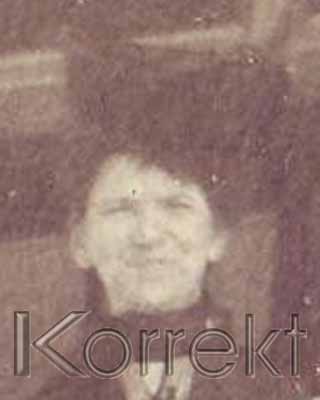 |
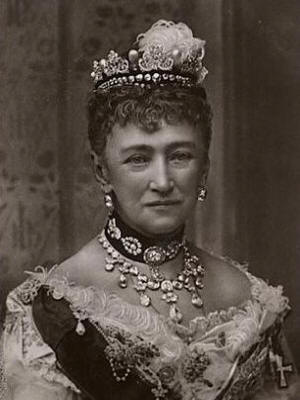
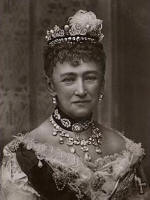
Louise of Hesse (German: Luise Wilhelmine
Friederike Caroline Auguste Julie von
Hessen-Kassel, Danish: Louise Wilhelmine
Frederikke Caroline Auguste Julie) (7 September
1817 – 29 September 1898) was a German Princess
and (from 15 November 1863) the queen consort to
King Christian IX of Denmark.
Korrekt Family photo's 1900's
|
|
 |
|
|
 |
|
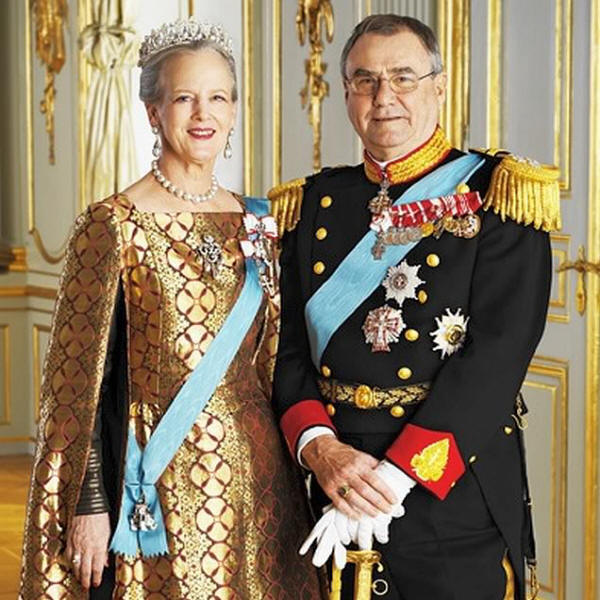
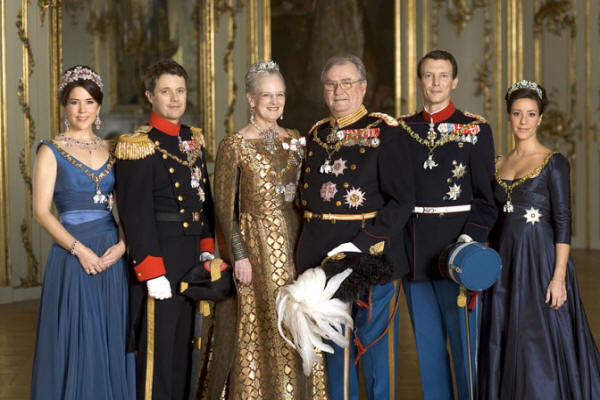
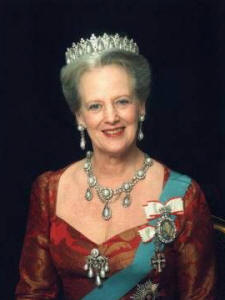
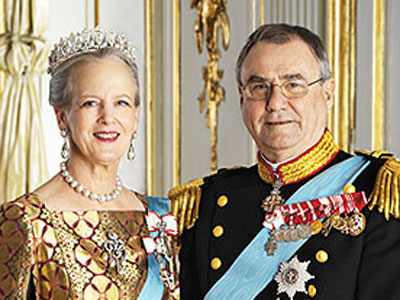
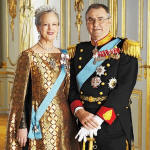
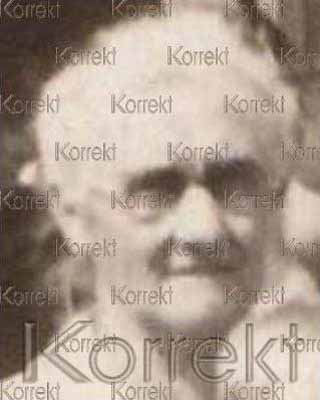
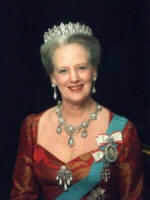
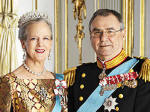
Queen Margrethe II (born
16 April 1940) is the Queen of Denmark. In 1972 she became
the first female monarch of Denmark since Margaret I, ruler
of the Scandinavian countries 1388-1412 during the Kalmar
Union. Princess Margrethe was born at Amalienborg Palace, to
Crown Prince Frederik and Crown Princess Ingrid. Queen
Margrethe II's official motto is: The Help of God, the Love
of the People, the Strength of Denmark. She studied
prehistoric archaeology at Girton College, Cambridge during
1960–61, political science at Aarhus University between
1961–1962, at the Sorbonne in 1963, and at the London School
of Economics in 1965. On 10 June 1967, Princess Margrethe of
Denmark married a French diplomat, Count Henri de Laborde de
Monpezat, at the Naval Church of Copenhagen. Laborde de
Monpezat received the style and title of "His Royal Highness
Prince Henrik of Denmark" because of his new position as the
spouse of the Heiress Presumptive to the Danish throne.
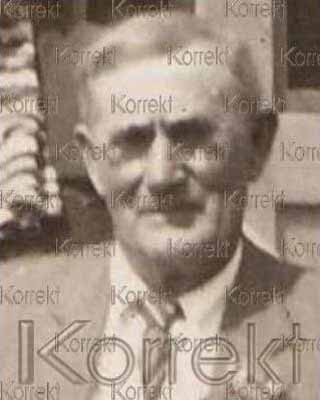
Korrekt family photo 1930's |
|
 |
|
|
 |
|
|
 |
|
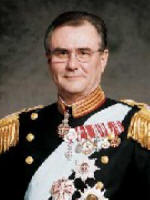
Prince Henrik, Consort of
Denmark (born 11 June 1934) is the husband of the Queen of Denmark, Margrethe II. Henrik was born in Talence, Gironde,
France. He was raised as Catholic. He spent his first five
years in French Indochina (now Vietnam) where his father was
in charge of family business interests. He returned to Hanoi
in 1950, graduating from the French secondary school there
in 1952. Between 1952 and 1957 he simultaneously studied law
and political science at the Sorbonne, Paris, and Chinese
and Vietnamese at the École Nationale des Langues Orientales
(now known as INALCO). He also studied in Hong Kong in 1957
and Saigon in 1958. After military service with the French
Army in the Algerian War between 1959 and 1962, in 1962 he
joined the French Foreign Affairs ministry, working as a
Secretary at the embassy in London from 1963 to 1967. On 10
June 1967 he married Princess Margrethe, the heiress
presumptive to the Danish throne, at the Naval Church of
Copenhagen. At the time of the wedding his name was
Danicised to Henrik and he was created HRH Prince Henrik of
Denmark. Before the wedding, the Prince converted to
Protestantism with the Vatican's consent
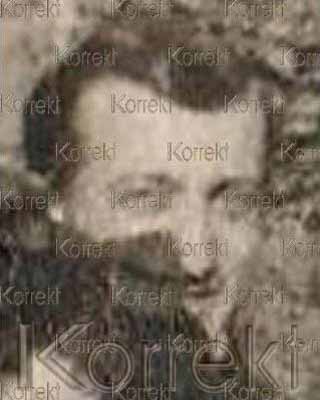
Korrekt family photo 1930's |
|
 |
|
|
|
|
 |
|
Prince Knud, Hereditary Prince
of Denmark, formerly Prince of Denmark and Iceland (born 27 July 1900 14 June
1976) was the second son and youngest child of King Christian X and
Queen Alexandrine. From 1947 to 1953, he was heir presumptive of his
older brother King Frederick IX, and would have become king in his
turn, but a change in the constitution caused him to lose his place
in the succession to Margrethe II. Prince Knud was born at Sorgenfri Palace in
Sorgenfri, Denmark. He married his first cousin, Princess
Caroline-Mathilde, on 8 September 1933 at Fredensborg
Palace. |
|
 |
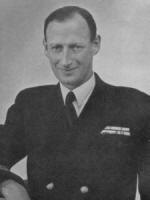 |
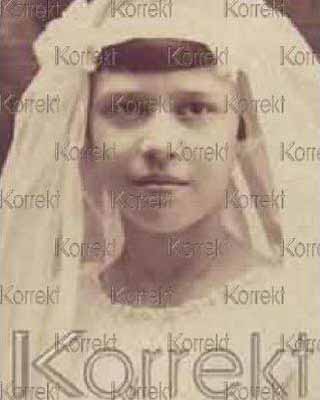
Korrekt family photo 1920's
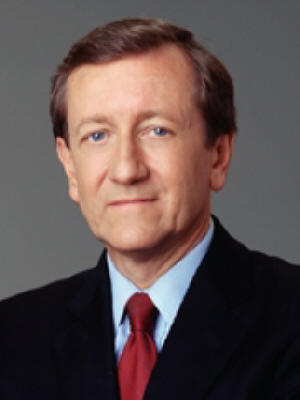
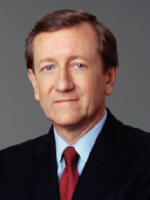
(reference Brian Ross ABC News) |
 |
|
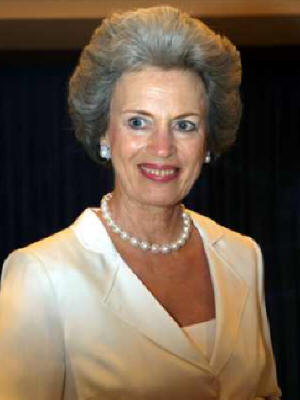
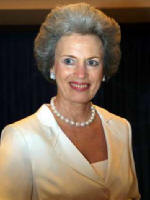
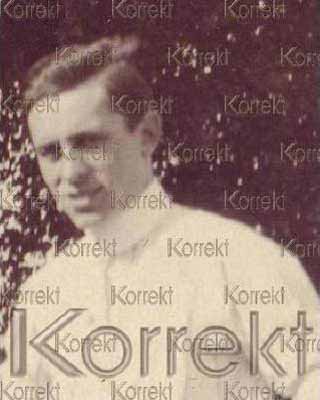
Princess Benedikte of Denmark,
Princess of Sayn-Wittgenstein-Berleburg (born in Amalienborg Palace, Copenhagen 29 April 1944), is the second
daughter of King Frederik IX of Denmark and Ingrid of
Sweden. She is the younger sister of the current reigning
Queen of Denmark, Margrethe II and the older sister of Queen
Anne-Marie of Greece.
Korrekt family photo 1910's
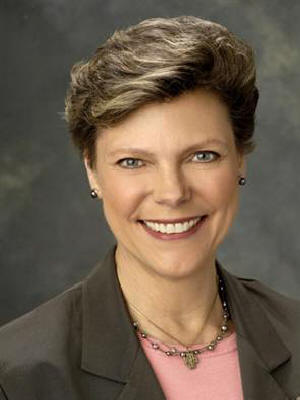
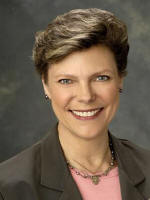
(reference Cokie Roberts American journalist & author) |
|
 |
 |
|
 |
|
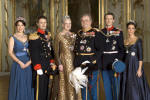
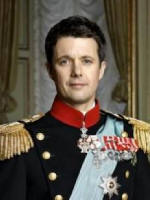
Prince Frederik Crown of Denmark (born Copenhagen, 26 May
1968) is the heir apparent to the Throne of Denmark. Frederik is the elder son of Queen Margrethe II and Henrik,
the Prince Consort. Frederik studied at Harvard University
from 1992–1993 under the name of Frederik Henriksen,
studying political science. He then took up a position for
three months with the Danish UN mission in New York in 1994.
He received an MSc in Political Science from the University
of Aarhus, which he completed in February 1995.
Korrekt family photo 1910's
(reference Prince Ari Mikael Behn of Norway, Count Rodolphe
de Limburg Stirum) |
|
 |
|
|
 |
|
 |
|
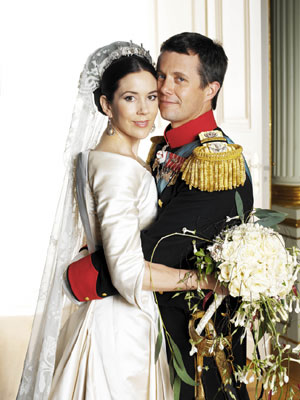
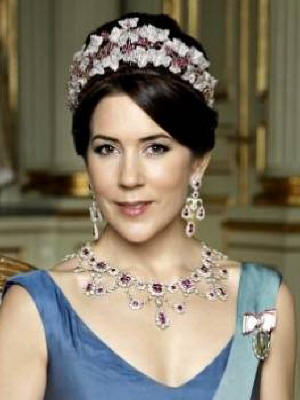
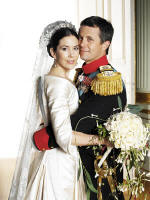
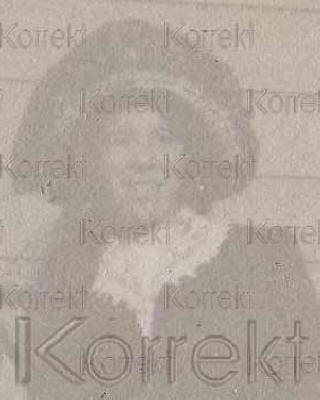
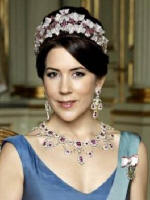
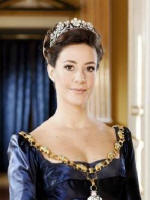
Princess Mary
Elizabeth Donaldson Crown Princess of Denmark (born: 5
February 1972) is the wife of Frederik, Crown Prince of
Denmark. Mary was born and raised in Hobart, Tasmania,
Australia. She attended Waimea Heights Primary School from
1978 to 1982. She completed her secondary education at
Taroona High School and Hobart Matriculation College before
studying at the University of Tasmania for five years. Mary
Donaldson and Crown Prince Frederik married on 14 May 2004.
Korrekt family photo 1910's |
|
 |
| |
|
|
 |
|
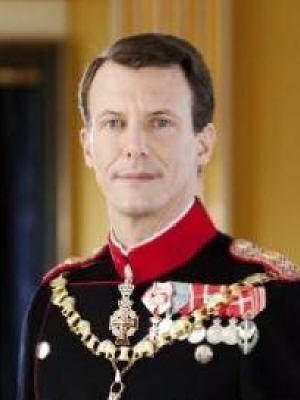
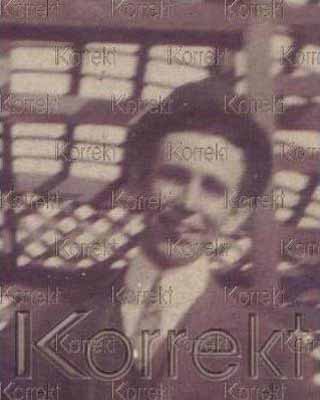
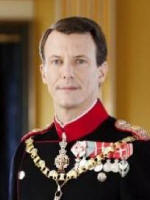
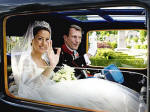
Prince Joachim of Denmark, Count of Monpezat
(born Copenhagen, 7 June 1969) is a member
of the Danish Royal Family. He is the younger son of Queen Margrethe II and Henrik, Prince Consort of Denmark. Joachim
is fourth in line to the Danish throne, following the Crown
Prince and his children. His godparents include Count
Jean Baptiste de Laborde de Monpezat, Princess Benedikte of
Denmark, and Princess Christina of Sweden. Prince Joachim’s
first language is Danish but he also speaks French, English
and German. He resides at Schackenborg Castle in Jutland.
On 18 November 1995 Joachim married Alexandra Christina
Manley, now Alexandra Christina, Countess of Frederiksborg,
a Hong Kong-born former sales and marketing deputy chief
executive of British, Chinese, Czech and Austrian ancestry.
The wedding took place in the Frederiksborg Palace Church.
On 3 October 2007 the Danish Royal Court announced that
Prince Joachim had become engaged to Marie Cavallier, now
Princess Marie of Denmark. The wedding was held on 24 May
2008 in Møgeltønder Church, which is near Schackenborg
Manor, and is the same church in which Prince Felix was
christened. The wedding date is the 73rd anniversary of the
wedding of Joachim's grandparents, King Frederik IX and
Queen Ingrid.
Korrekt family photo 1910's |
|
 |
|
 |
|
|
|
|
Princess
Märtha of Sweden (28 March 1901 – 5 April 1954), full name
Märtha Sofia Lovisa Dagmar Thyra was the granddaughter of
King Oscar II of Sweden and the consort of Crown Prince Olav
of Norway (later King Olav V). She was the first Crown
Princess of Norway in modern times who was not also Crown
Princess of Sweden or Denmark. She was also a Princess of
Norway from her birth in 1901 to the dissolution of the
personal union between Sweden and Norway in 1905.
Korrekt
family photo's 1940's - 2000's
MLNM |
|
|
| |
|
|
 |
|
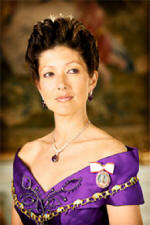
Princess Alexandra
Christina, Countess of Frederiksborg (born 30 June 1964), is a former member of the Danish Royal
House. Of British, Chinese, Czech and Austrian ancestry.
Alexandra Manley was born in Hong Kong, as the eldest of
three daughters of Richard Nigel Manley (born in Shanghai in
1924 to a British father and Chinese mother) and Christa
Maria Manley (née Nowotny of Czech and Austrian descent,
born in Austria in 1933). Alexandra was christened at the
Cathedral of Saint John, Hong Kong. Her father was an
insurance company executive; her mother was the manager of a
communications company. She studied at the private English
Schools Foundation run Island School for her secondary
education.
Alexandra met Prince
Joachim at a party in Hong Kong, where he was working for a
Danish shipping company. After a whirlwind courtship,
thought to have begun in late autumn of 1994, Prince
Joachim, on bended knee, presented Alexandra with a diamond
and ruby engagement ring while the couple holidayed together
in the Philippines. Their engagement, which took both
Alexandra's family and Danish royal watchers by surprise,
was officially revealed in May 1995. They were wed on 18
November 1995, by Queen Margrethe's Chaplain-in-Ordinary, in
the Chapel of Frederiksborg Castle at Hillerød. The wedding
festivities were held at Fredensborg Palace.
When she wed Prince Joachim, however, she had to renounce
her British citizenship and give up her career in marketing.
She also changed her religious affiliation. Alexandra, an
Anglican, received instruction in the Evangelical Lutheran
faith and was confirmed prior to her wedding.
Korrekt family photo 1960's |
|
 |
 |
|
 |
|
Princess
Marie Cavallier of Denmark, Countess of Monpezat (born 6
February 1976) the second wife of HRH Prince Joachim of
Denmark. France. She is the only child of Françoise Grassiot
and Alain Cavallier. She moved to Geneva, Switzerland, after
her parents divorced. Marie Cavallier married Prince Joachim
on 21 November 2007.
High School likeness 1980's
reference Farah Fath (One
Life To Live ABC) |
|
 |
 |
 |
|
|
|
|
|
|
|
|
|
|
|
|
|
|
 |
|
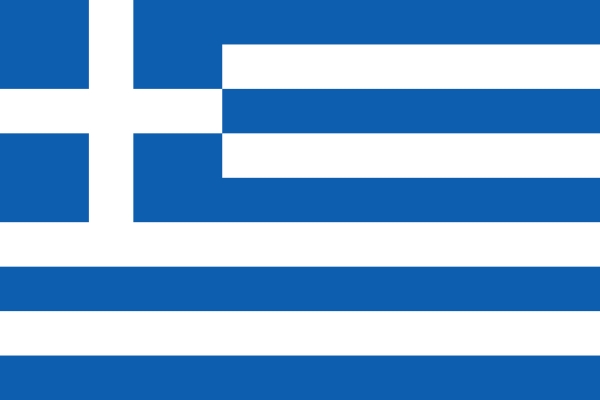
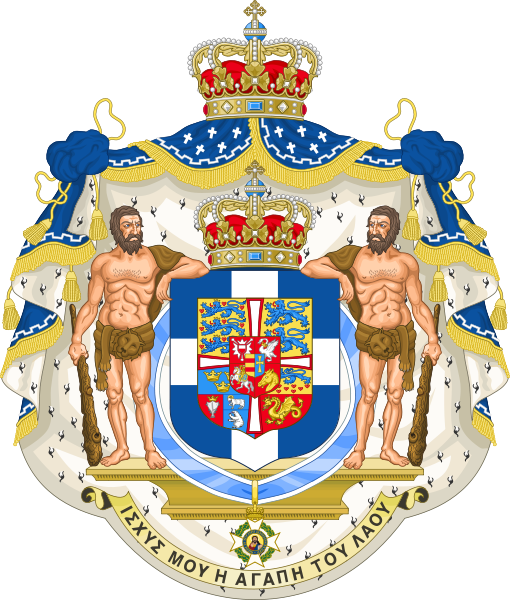
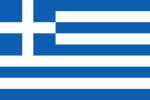
Greece historically in
Katharevousa and Ancient Greek: Hellas,
officially the Hellenic Republic, is a country in Southern
Europe, politically considered part of Western Europe.
Athens is the capital and the largest city in the country
(its urban area also including Piraeus). The population of
the country, according to the official 2011 census, is about
10 million.
Greece has land borders with Albania, the Republic of
Macedonia and Bulgaria to the north, and Turkey to the east.
The Aegean Sea lies to the east of mainland Greece, the
Ionian Sea to the west, and the Mediterranean Sea to the
south. Greece has the 11th longest coastline in the world at
13,676 km (8,498 mi) in length, featuring a vast number of
islands (approximately 1,400, of which 227 are inhabited),
including Crete, the Dodecanese, the Cyclades, and the
Ionian Islands among others. Eighty percent of Greece
consists of mountains, of which Mount Olympus is the highest
at 2,917 m (9,570 ft).
Modern Greece traces its roots to the civilization of
ancient Greece, generally considered the cradle of Western
civilization. As such it is the birthplace of democracy,
Western philosophy, the Olympic Games, Western literature
and historiography, political science, major scientific and
mathematical principles, and Western drama, including
both tragedy and comedy. This legacy is partly reflected in
the seventeen UNESCO World Heritage Sites located in Greece,
ranking Greece 7th in Europe and 13th in the world. The
modern Greek state was established in 1830, following the
Greek War of Independence.
Greece has been a member of what is now the European Union
since 1981 and the eurozone since 2001, NATO since
1952, and is a founding member of the United Nations. Greece
is a developed country with an advanced, high-income
economy and very high standards of living (including the
21st highest quality of life as of 2010). Since late 2009,
the Greek economy has been hit by a severe economic and
financial crisis resulting in the Greek government
requesting €240 billion in loans from EU institutions, a
substantial debt write-off, and unpopular austerity
measures. |
|
 |
| |
|
|
|
|
|
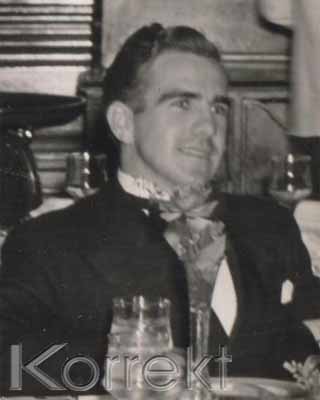 |
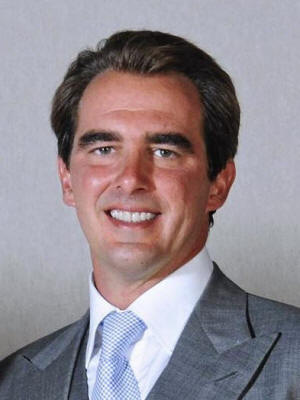
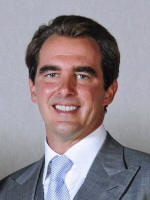
Prince Nikolaos
of Greece and Denmark (born 1 October 1969) is the second
son and third child of King Constantine II of Greece and
Anne-Marie of Denmark, the youngest daughter of King
Frederick IX of Denmark and sister of Queen Margrethe II of
Denmark.
Christopher Paul
O'Neill is a British-born American businessman living and
working in New York, and the husband of Princess Madeleine
of Sweden, Duchess of Halsingland and Gastrikland. |
 |
 |
|
|
|
|
|
|
|
|
|
|
|
|
|
 |
|
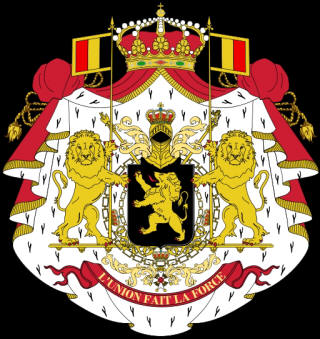
The
Kingdom of Belgium is a country in northwest Europe.
It is a founding member of the European Union and
hosts its headquarters, as well as those of other
major international organizations, including NATO.
Belgium covers an area of 30,528 square kilometers
(11,787 sq mi) and has a population of about 10.7
million. Straddling the cultural boundary between
Germanic and Latin Europe, Belgium is home to two
main linguistic groups, the Flemish and the
French-speakers, mostly Walloons, plus a small group
of German-speakers.
Belgium's two largest regions
are the Dutch-speaking region of Flanders in the
north and the French-speaking southern region of
Wallonia. The Brussels-Capital Region, officially
bilingual, is a mostly French-speaking enclave
within the Flemish Region. A small German-speaking
Community exists in eastern Wallonia. Belgium's
linguistic diversity and related political and
cultural conflicts are reflected in the political
history and a complex system of government. The name
'Belgium' is derived from Gallia Belgica, a Roman
province in the northernmost part of Gaul that was
inhabited by the Belgae, a mix of Celtic and
Germanic peoples. Historically, Belgium, the
Netherlands and Luxembourg were known as the Low
Countries, which used to cover a somewhat larger
area than the current Benelux group of states.
From
the end of the Middle Ages until the 17th century,
it was a prosperous centre of commerce and culture.
From the 16th century until the Belgian revolution
in 1830, many battles between European powers were
fought in the area of Belgium, causing it to be
dubbed the battleground of Europe, a reputation
strengthened by both World Wars. Upon its
independence, Belgium eagerly participated in the
Industrial Revolution and, during the course of the
twentieth century, possessed several colonies in
Africa. Belgium is a constitutional, popular
monarchy and a parliamentary democracy.
|
|
 |
| |
| |
|
|
|
|
|
|
 |
|
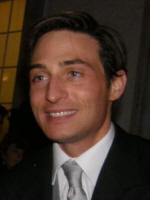
Count
Rodolphe de Limburg Stirum, (born at Brussels on 20
March 1979) his parents are Count Christian and Countess
Colienne de Limburg Stirum née Countess d'Oultremont. Count
Christian de Limburg Stirum is the brother of the late Count
Evrard de Limburg Stirum, husband of Princess Hélène of
France. They live at the family estate at Huldenberg
near Brussels. His paternal grandparents are Count
Thierry de Limburg Stirum and Countess Marie née Princess
Marie Immaculée de Croÿ. His maternal
grandparensts are Count Eugène d'Oultremont and Countess
Madeleine née Countess de Liedekerke.
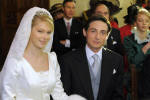
Count
Rodolphe de Limburg Stirum, married on Dec. 6, 2008 in
Mechelen, Belgium, Archduchess Marie-Christine of Austria, a
niece of current reigning Grand Duke Henri of Luxembourg.
She is the great-granddaughter of King Leopold III of
Belgium on her mother's side and Emperor Charles I of
Austria on her father's side.
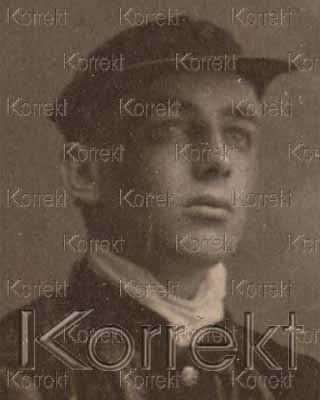
Korrekt
Family photo's 1900's
(reference Prince Frederik
Crown of Denmark, Hungary) |
|
 |
| |
 |
|
 |
|
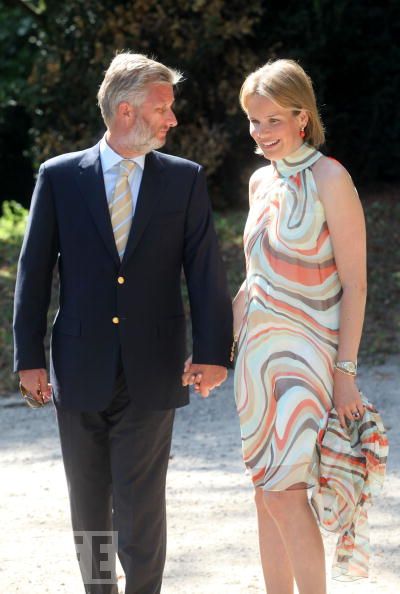
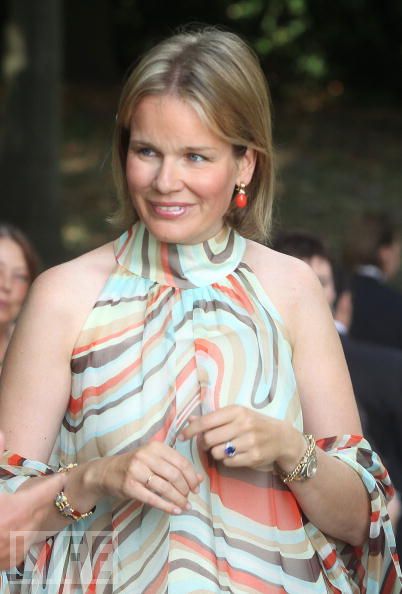
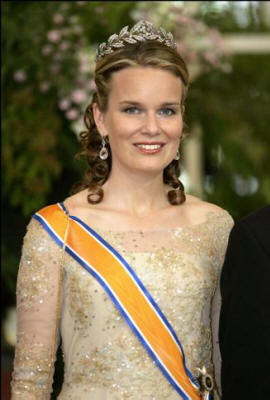
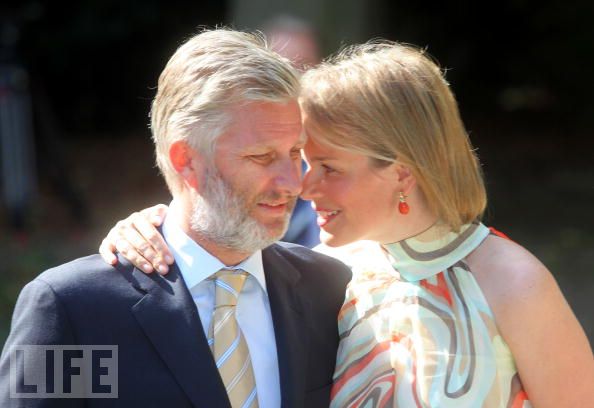
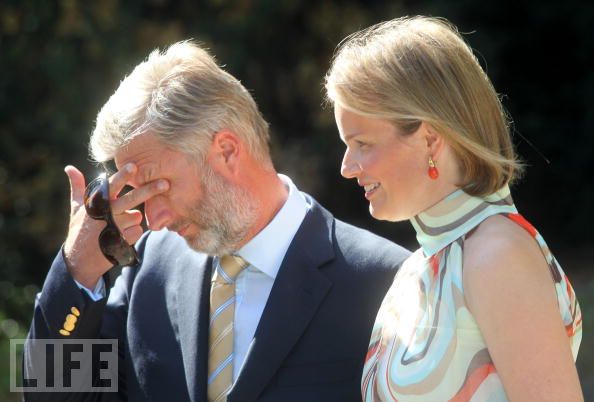
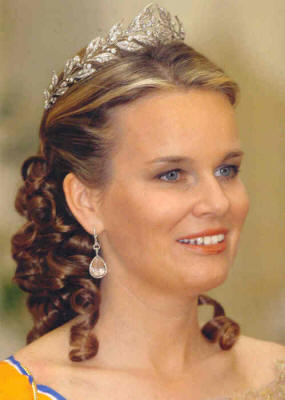
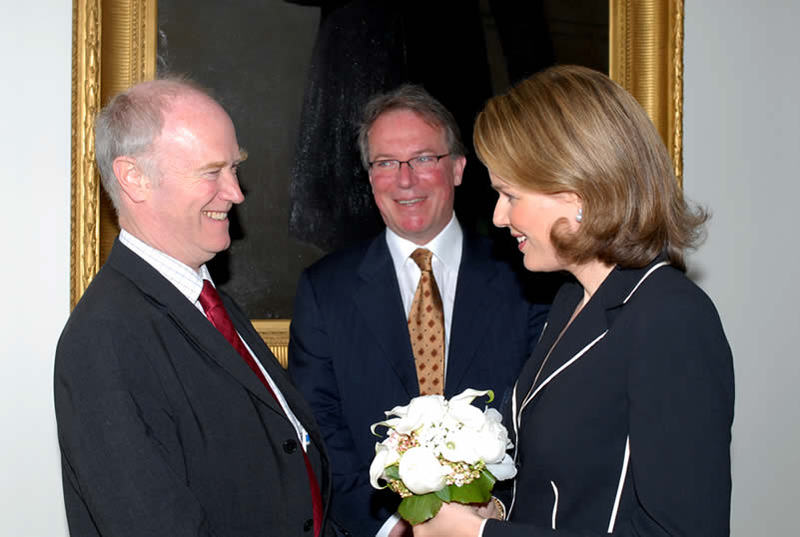
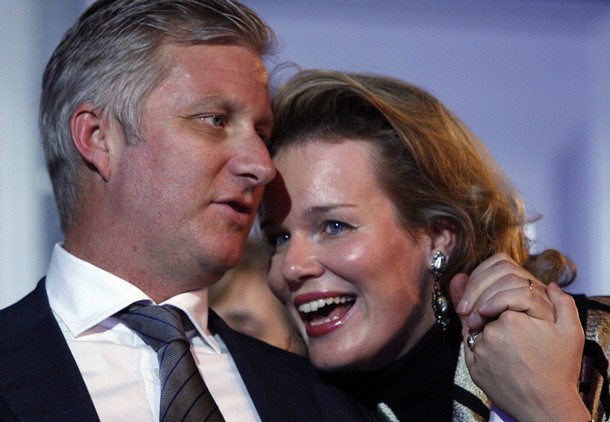
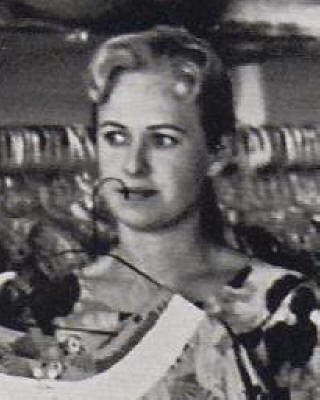
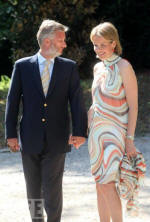
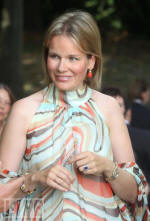
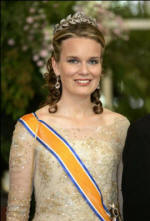
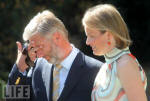
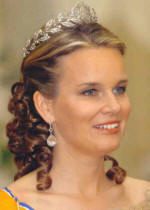
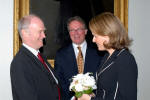
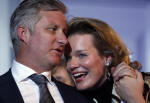
Princess
Mathilde, Duchess of Brabant, (née: Ec. Jonkvrouw Mathilde
Marie Christiane Ghislaine d'Udekem d'Acoz; born 20
January 1973). Her Royal Highness The Duchess of Brabant, is
the wife of the heir apparent to the Belgian throne, HRH
Prince Philippe, Duke of Brabant. Of Belgian and Polish
ancestry, she is expected to be the first Belgian-born Queen
consort of Belgium. Princess Mathilde attended
secondary school at the Institut de la Vierge Fidèle in
Brussels. She then studied speech therapy at the Institut
Libre Marie Haps in Brussels. She speaks French, Dutch,
English and Italian. Mathilde married Prince Philippe on 4
December 1999 in Brussels.
US Navy
likeness 1950's
|
|
 |
 |
 |
 |
 |
 |
 |
 |
|
|
|
|
|
|
|
|
|
|
|
|
|
|
|
|
|
|
|
|
|
|
|
|
|
 |
|
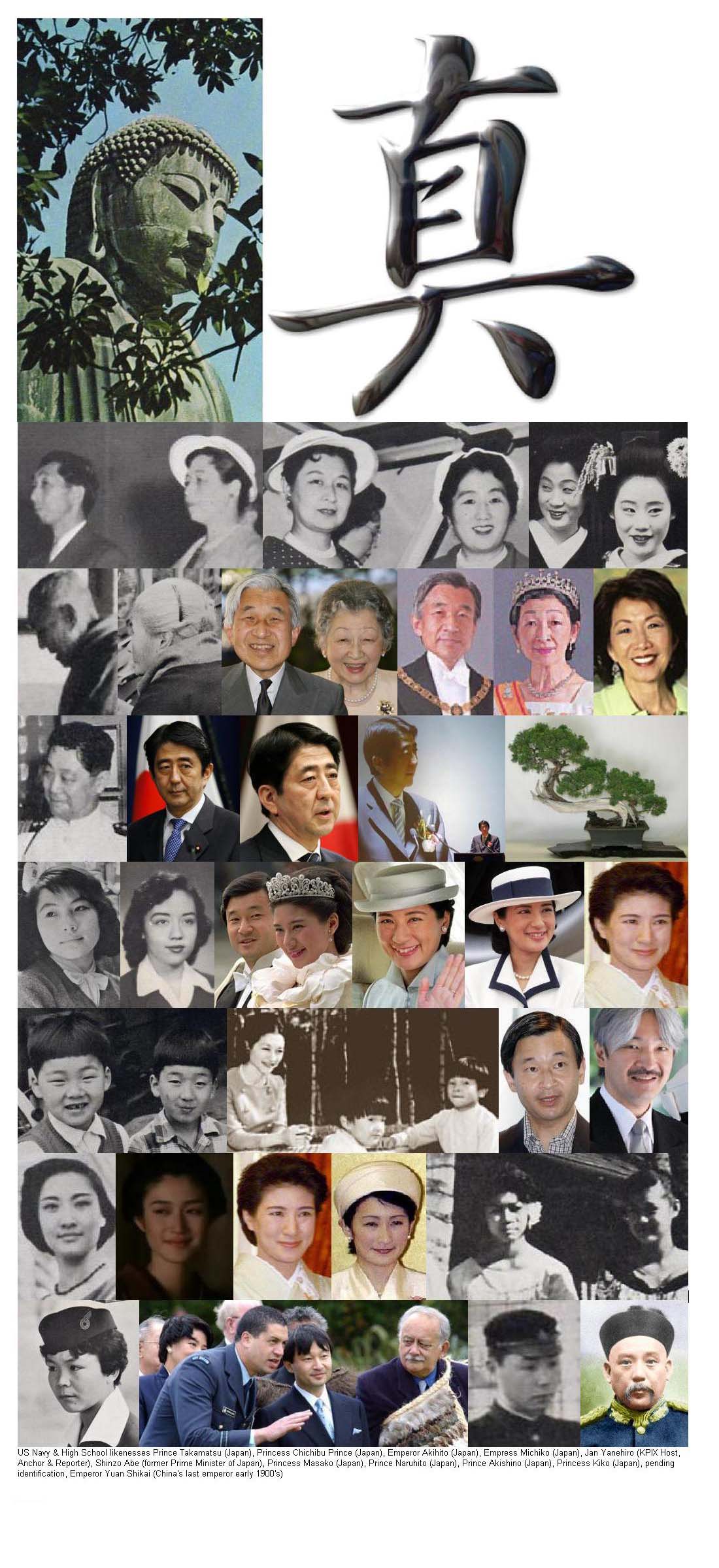
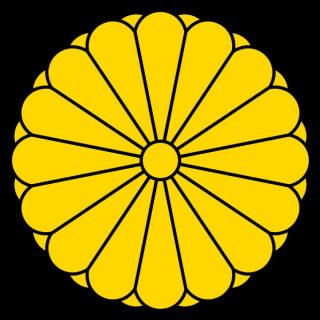
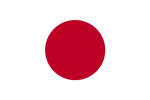
There are many names of Japan in
the English, Japanese, and other languages. The word "Japan"
(or "Japon") is an exonym, and is used (in one form or
another) by a large number of languages. The Japanese names
for Japan are Nippon and Nihon. They are both written in
Japanese using the kanji. The Japanese name Nippon is used
for most official purposes, including on Japanese money,
postage stamps, and for many international sporting events.
Nihon is a more casual term and the most frequently used in
contemporary speech.
Cipangu on the 1453 Fra Mauro map, the first known Western
depiction of the island. Both Nippon and Nihon
literally mean "the sun's origin", that is, where the sun
originates, and are often translated as the Land of the
Rising Sun. This nomenclature comes from Imperial
correspondence with Chinese Sui Dynasty and refers to
Japan's eastward position relative to China. Before Japan
had relations with China, it was known as Hi no moto, which
means "source of the sun" and Yamato. Wa was a name early
China used to refer to an ethnic group living in Japan
around the time of the Three Kingdoms Period.
FIFA Japan United States of
America |
|
 |
| |
|
| |
 |
|
 |
|
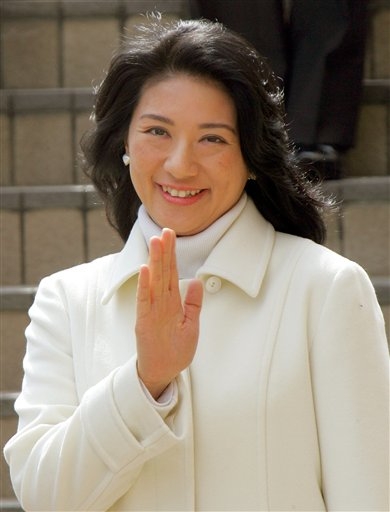
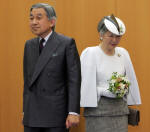
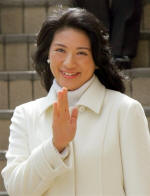
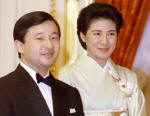
Crown Princess Masako
(born 9 December 1963) is the wife of Crown Prince Naruhito,
the first son of Emperor Akihito and Empress Michiko, and a
member of the Imperial House of Japan through marriage.
Masako first
met the prince when she was a student at the
University of Tokyo in November 1986. The
Prince proposed several times before Masako
finally honored his request on 9 December 1992.
Palace officials formally announced the
engagement on 19 January 1993. Although many
were surprised at the news (as it was believed
that the prince and Masako had gone their
separate ways), the engagement was met with a
surge of renewed media attention directed
towards the imperial family and their new
princess.
Masako was
joined in marriage with His Imperial Highness
Crown Prince Naruhito in a traditional wedding
ceremony on 9 June 1993. By virtue of the
marriage, Masako Owada assumed the formal
predicate Her Imperial Highness, the Crown
Princess of Japan. In addition, she was placed
in the Japanese Imperial Order of Precedence.
|
|
 |
| |
 |
|
|
|
|
|
|
|
|
|
|
|
|
|
 |
|
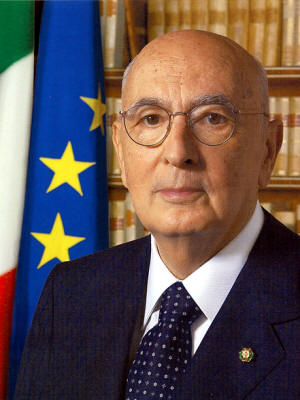
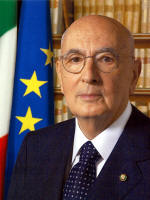
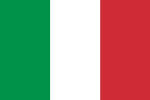
Italy (Italian: Italia),
officially the Italian Republic (Italian: Repubblica
Italiana), is a country located partly on the European
Continent and partly on the Italian Peninsula in Southern
Europe and on the two largest islands in the Mediterranean
Sea, Sicily and Sardinia. Italy shares its northern, Alpine
boundary with France, Switzerland, Austria and Slovenia. The
independent states of San Marino and the Vatican City are
enclaves within the Italian Peninsula, and Campione d'Italia
is an Italian exclave in Switzerland. The territory of Italy
covers 301,338 km2. With 60.2 million inhabitants, it is the
sixth most populous country in Europe, and the twenty-third
most populous in the world. The land known as Italy today
has been the cradle of European cultures and peoples, such
as the Etruscans and the Romans. Italy's capital, Rome, was
for centuries the political center of Western civilization,
as the capital of the Roman Empire. After its decline, Italy
would endure numerous invasions by foreign peoples, from
Germanic tribes such as the Lombards and Ostrogoths, to the
Normans and later, the Byzantines, among others. Centuries
later, Italy would become the birthplace of the Renaissance,
an immensely fruitful intellectual movement that would prove
to be integral in shaping the subsequent course of European
thought. Through much of its post-Roman history, Italy was
fragmented into numerous kingdoms and city-states (such as
the Kingdom of Sardinia, the Kingdom of the Two Sicilies and
the duchy of Milan), but was unified in 1861, a tumultuous
period in history known as the "Risorgimento". In the late
19th century, through World War I, and to World War II,
Italy possessed a colonial empire, which extended its rule
to Libya, Eritrea, Italian Somaliland, Ethiopia, Albania,
Rhodes, the Dodecanese and a concession in Tianjin,
China.Modern Italy is a democratic republic and a developed
country with the eighth-highest quality of life index rating
in the world. Italy enjoys a high standard of living, and is
the world's 18th most developed country. It is a founding
member of what is now the European Union, having signed the
Treaty of Rome in 1957, and it is a founding member of the
North Atlantic Treaty Organization (NATO). It is a member of
the G8 and G20, having the world's seventh-largest nominal
GDP, and is also a member state of the Organisation for
Economic Co-operation and Development (OECD), the World
Trade Organization (WTO), the Council of Europe, and the
Western European Union. It has the world's eight-largest
defense budget and shares NATO's nuclear weapons. |
|
 |
 |
|
|
|
|
|
|
|
|
|
|
|
|
|
 |
|
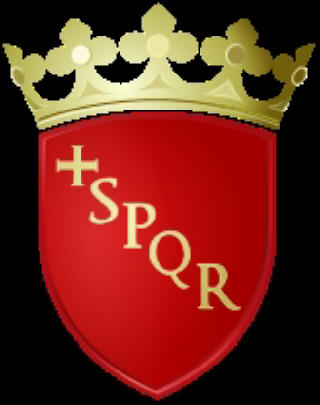
Rome (Latin: Rōma) is the
capital of Italy and the country's largest and most
populated municipality, with over 2.7 million residents in
1,285.3 km2 (496.3 sq mi), while the population of the urban
area is estimated by Eurostat to be 3.46 million. The
metropolitan area of Rome is estimated by OECD to have a
population of 3.7 million. It is located in the
central-western portion of the Italian Peninsula, on the
Tiber river within the Lazio region of Italy. The city has
been one of history's most powerful and important centers,
being the home of the emperor during the Roman Empire and
the Italian government. The city also has a significant
place in Christianity and is the present day home of the
Roman Catholic Church and the site of the Vatican City, an
independent city-state run by the Catholic Church. Due to
this, the city has often been nicknamed "Caput Mundi" (Latin
for "Capital of the World") and "The Eternal City".
Rome's history as a city spans over two and a half thousand
years, as one of the founding and most powerful cities of
Western Civilization. It was the centre of the Roman Empire,
which dominated Europe, North Africa and the Middle East for
over four hundred years from the 1st Century BC until the
4th Century AD, and during the Ancient Roman era, the city
was the most powerful in Europe. During the
Middle-Ages, Rome was home to some of the most powerful
popes, who transformed the city into a modern centre of the
arts and one of the major centers of the Italian
Renaissance, along with Florence. Famous artists and
architects, such as Michelangelo, Bramante, Leonardo da
Vinci, Bernini and Raphael resided for some time in Rome,
contributing to its impressive Renaissance and Baroque
architecture. As a modern city, it has been capital of
the unified Italy since 1870, and grew mainly in two periods
either side of World War II. As it is one of the few major
European cities that escaped the war relatively unscathed,
central Rome remains essentially Renaissance and Baroque in
character. Rome has had an immense historic influence to the
world over the ages, particularly during ancient times,
mainly in subjects such as architecture, art, culture,
politics, literature, law, philosophy and religion. |
|
|
 |
|
|
| |
|
|
|
|
|
|
|
|
|
|
|
|
|
 |
|
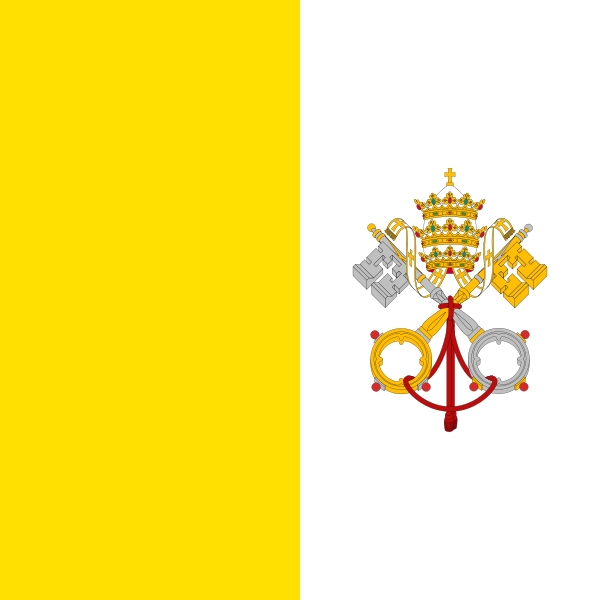
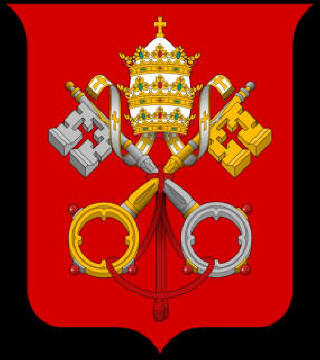
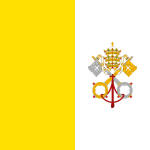
Vatican City,
officially the State of the Vatican City (Italian: Stato
della Città del Vaticano), is a landlocked sovereign
city-state whose territory consists of a walled enclave
within the city of Rome, the capital city of Italy. It has
an area of approximately 44 hectares (110 acres) (0.44 km2),
and a population of barely over 800. Vatican City is a
city-state that came into existence in 1929. It is distinct
from the Holy See, which dates back to early Christianity
and is the main Episcopal see of 1.147 billion Latin and
Eastern Catholic adherents around the globe. Ordinances of
Vatican City are published in Italian; official documents of
the Holy See are issued mainly in Latin. The two entities
even have distinct passports: the Holy See, not being a
country, only issues diplomatic and service passports; the
state of Vatican City issues normal passports. In both cases
the passports issued are very few. The Lateran Treaty
in 1929, which brought the city-state into existence, spoke
of it as a new creation (Preamble and Article III), not as a
vestige of the much larger Papal States (756-1870) that had
previously encompassed central Italy. Most of this territory
was absorbed into the Kingdom of Italy in 1860, and the
final portion, namely the city of Rome with a small area
close to it, ten years later, in 1870. Vatican City is
an ecclesiastical or sacerdotal-monarchical state, ruled by
the bishop of Rome—the Pope. The highest state functionaries
are all Catholic clergymen of various nationalities. It is
the sovereign territory of the Holy See (Sancta Sedes) and
the location of the Pope's residence, referred to as the
Apostolic Palace. The Popes have resided in the area
that in 1929 became Vatican City since the return from
Avignon in 1377. Previously, they resided in the Lateran
Palace on the Caelian Hill on the opposite side of Rome,
which site Constantine gave to Pope Miltiades in 313. The
signing of the agreements that established the new state
took place in the latter building, giving rise to the name
of Lateran Pacts, by which they are known. |
|
 |
|
|
| |
|
|
|
|
|
|
|
|
|
|
|
|
|
|
|
|
|
|
|
|
|
|
|
|
|
|
|
|
|
|
|
|
|
|
|
|
|
|
|
|
|
|
|
| |
|
| |
|
| |
|
| |
|
| |
|
| |
|
|
|
|
|
|
|
|
|
|
| |
|
| |
|
| |
|
| |
|
|
|
|
| |
|
| |
|
| |
|
|